What is Circular Lcd Screens and Why Are They Important?
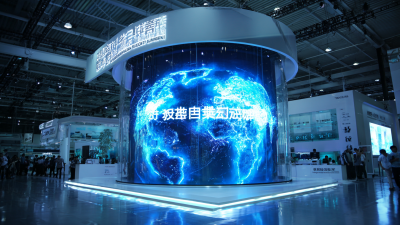
Circular LCD screens represent a significant innovation in display technology. Their unique shape allows for more immersive user experiences in various applications, such as smartphones, wearables, and dashboards. Industry reports indicate that around 30% of new electronic devices are now integrating circular displays, showing a growing trend towards this design.
The growing demand for sleek, user-friendly interfaces supports the shift to circular formats. According to market data, the global circular LCD market is projected to reach approximately $1.2 billion by 2025. This growth highlights the increasing importance of circular LCD screens in design and functionality.
While innovation is essential, it is also crucial to assess the limitations of circular LCD screens. Their production can present challenges, including higher costs and complex design requirements. Such factors can hinder widespread adoption, and stakeholders need to address these obstacles to maximize their potential. Understanding these dynamics is vital for anyone looking to leverage circular LCD technology effectively.
What Are Circular LCD Screens?
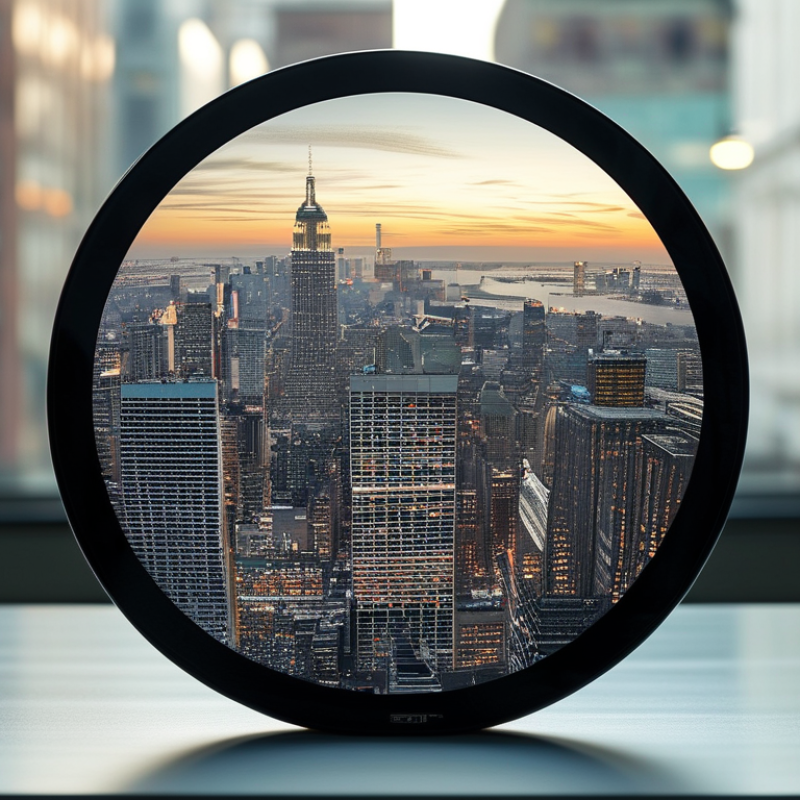
Circular LCD screens are an innovative display technology gaining traction across various industries. These screens feature a round shape, as opposed to traditional rectangular displays. This unique design allows for more creative applications in products like smartwatches, head-up displays, and other compact devices. Their distinct form can provide a sleek and modern appearance, appealing to consumers seeking aesthetic designs.
Tip: When choosing circular LCD screens, consider the intended application. Understanding the user's environment can significantly impact usability.
The adaptability of circular LCD screens is noteworthy. Unlike standard displays, these screens enable information presentation in a more engaging way. They can display data in a circular format, which can enhance readability. This adaptability opens up new avenues for interactive interfaces, allowing users to engage with technology more intuitively.
Tip: Always assess the brightness and resolution of the screen. Poor visibility can detract from the user experience, especially in bright environments.
Despite their advantages, challenges persist. Manufacturing cost and complexity are significant factors. There is also a learning curve for developers to optimize content for circular formats. Addressing these issues is essential for widespread adoption and usability.
What is Circular Lcd Screens and Why Are They Important?
| Dimension |
Details |
| Screen Shape |
Circular |
| Typical Diameter |
10 cm to 30 cm |
| Resolution |
640x640 to 1280x1280 pixels |
| Brightness |
500 to 1000 nits |
| Common Uses |
Wearable devices, automotive displays, specialized instruments |
| Advantages |
Improved visibility, unique design aesthetic, compact footprint |
| Materials Used |
LCD glass, polarizers, backlight technology |
| Market Trend |
Increasing demand in smart wearables and IoT devices |
The Technology Behind Circular LCD Displays
Circular LCD screens are an innovative advancement in display technology. Unlike traditional rectangular displays, their unique shape allows for enhanced visibility and aesthetic appeal. This design is particularly useful in various applications, from wearables to dashboards in vehicles. The ability to integrate such screens into compact spaces is an impressive feat of engineering.
When we look at the technology behind these displays, several factors stand out. The organic light-emitting diode (OLED) technology is frequently used. This provides vibrant colors and deeper contrasts. Another essential aspect is the curved glass, which enhances durability and provides a seamless look. These screens can also be more energy-efficient compared to conventional displays.
Tip: When considering a circular LCD display, take note of the viewing angle. Ensure that the image quality remains high from all perspectives.
The design process for circular screens is not without challenges. Ensuring uniform brightness across the entire surface can be tricky. Additionally, manufacturers must address the risk of glare and reflections. Despite these hurdles, the benefits are significant.
Tip: Always evaluate your specific needs. A circular display may not be ideal for every situation.
Importance of Circular LCD Screens
This bar chart represents the key factors contributing to the importance of circular LCD screens. The data illustrates varying levels of significance in aspects such as power consumption, viewability, size flexibility, durability, and cost-effectiveness.
Applications of Circular LCD Screens in Various Industries
Circular LCD screens are becoming increasingly important across various industries. Their unique shape allows for versatility in design, enhancing user experiences in innovative ways. In automotive applications, these screens provide crucial information to drivers. They can display speed, navigation aids, and safety alerts in a compact format. This circular design also fits seamlessly into dashboard aesthetics.
In the healthcare sector, circular LCD screens are used in medical devices. Patient monitoring systems benefit from their space-saving design. They can show vital signs in a clear, easily readable format. This is particularly vital in emergencies, where quick information access is essential. However, integrating these screens requires careful planning to ensure they don’t overwhelm users.
The retail industry also leverages circular LCDs for advertising and engagement. These screens attract customers’ attention, displaying promotions or interactive content. Nonetheless, achieving optimal visibility and user interaction can be a challenge. Businesses must consider lighting conditions and user distance. While circular screens are promising, their implementation is not without hurdles. Each industry must thoughtfully navigate these challenges to harness their full potential.
Benefits of Circular LCD Screens Over Traditional Displays
Circular LCD screens represent a significant advancement in display technology. Unlike traditional rectangular screens, these circular variants offer a unique aesthetic that can enhance user engagement. Their form can be more appealing in certain applications, such as
smartwatches and automotive dashboards.
One of the main benefits of circular LCD screens is their space efficiency. They can fit better into compact designs, allowing for more versatile product designs. For example, a round display can integrate seamlessly into the curvature of devices. This leads to improved ergonomics and a more enjoyable user experience. Moreover, these screens can provide a wider viewing angle, reducing distortion and improving visibility from different perspectives.
However, it's essential to acknowledge some challenges. Designing content for circular screens requires a thoughtful approach to layout. Conventional user interfaces may not translate well to this format. There is a learning curve for developers and designers. Yet, with practice, the impact of circular screens can be profound, combining aesthetics and functionality in ways that engage users more effectively.
Future Trends and Innovations in Circular LCD Screen Technology
Circular LCD screens are gaining traction in various industries due to their unique design and functionality. The global market for circular displays is projected to reach $10 billion by 2026, according to industry reports. This growth is driven by innovations in flexible screens and diverse applications in automotive, wearables, and consumer electronics.
The future of circular LCD screens lies in their adaptability and integration. Manufacturers are focusing on developing thinner, lighter screens with improved resolution. New materials are being explored to enhance durability and reduce production costs. Moreover, the trend towards smart devices favors displays that can fit in compact spaces without sacrificing performance.
Tip: When considering circular LCD technology, think about the application. Understanding the specific needs can lead to better design choices. Also, keep an eye on emerging technologies that may redefine how these screens are used.
Circular designs can be challenging. The need for standardization in sizes is evident. A lack of universal measurements can complicate usability across different devices. Discussions surrounding industry standards are ongoing, and achieving a consensus could pave the way for wider adoption. Embracing these changes can help create innovative solutions that optimize user experience.