Top 5 Tips for Sourcing Circular LCD Screens Effectively?
In the competitive world of technology, sourcing Circular LCD Screens requires a refined approach. Renowned expert Dr. Emily Zhang, a leading figure in display technology, states, "Finding the right supplier is crucial for success in any screen project." This highlights the importance of effective sourcing strategies.
Many companies overlook key factors when sourcing these innovative displays. Quality, cost, and supplier reliability play significant roles in the decision-making process. Engaging with multiple suppliers can enhance options but may also lead to confusion. It’s essential to balance choice with clarity.
Understanding the market trends is equally vital. Circular LCD Screens are gaining popularity in various applications. However, adapting to rapid changes and assessing manufacturer capabilities is no easy task. Companies must remain vigilant and rethink their strategies to stay ahead. Embracing a thoughtful sourcing approach can make all the difference in achieving success in this dynamic industry.

Understanding Circular LCD Screens and Their Applications
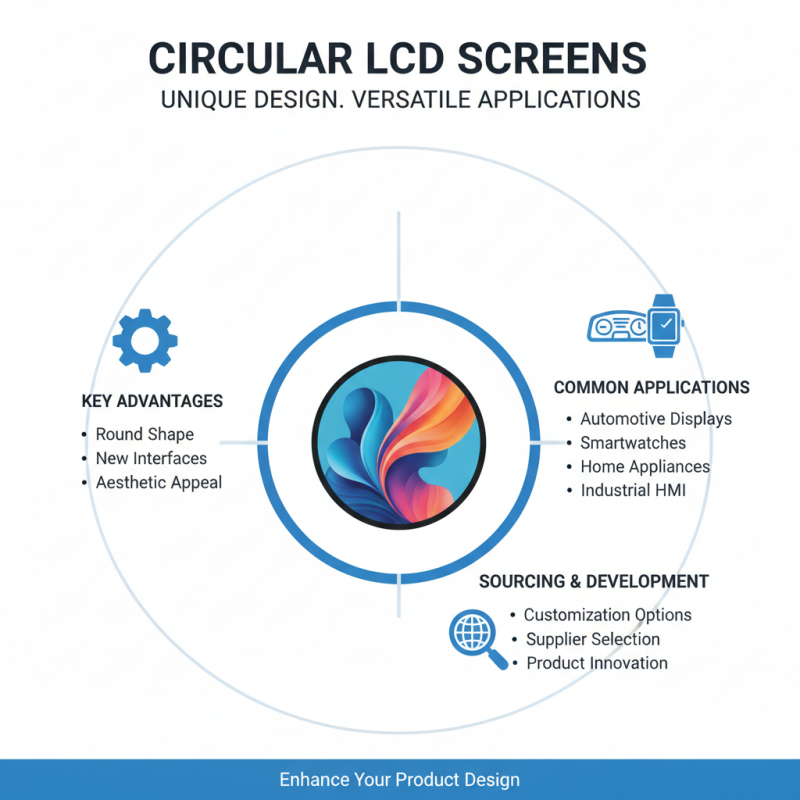
Circular LCD screens are gaining traction due to their unique design and versatility. These screens are commonly used in various applications, from automotive displays to innovative consumer electronics. Their round shape allows for new interfaces and aesthetic appeal that traditional screens cannot achieve. Understanding how to source them effectively can influence product development significantly.
When considering circular LCD screens, it's essential to recognize their specifications. The resolution, brightness, and color reproduction are crucial factors. Many manufacturers offer different features, which can lead to confusion. Engaging with experts in the field can clarify these technical details, ensuring you make an informed decision.
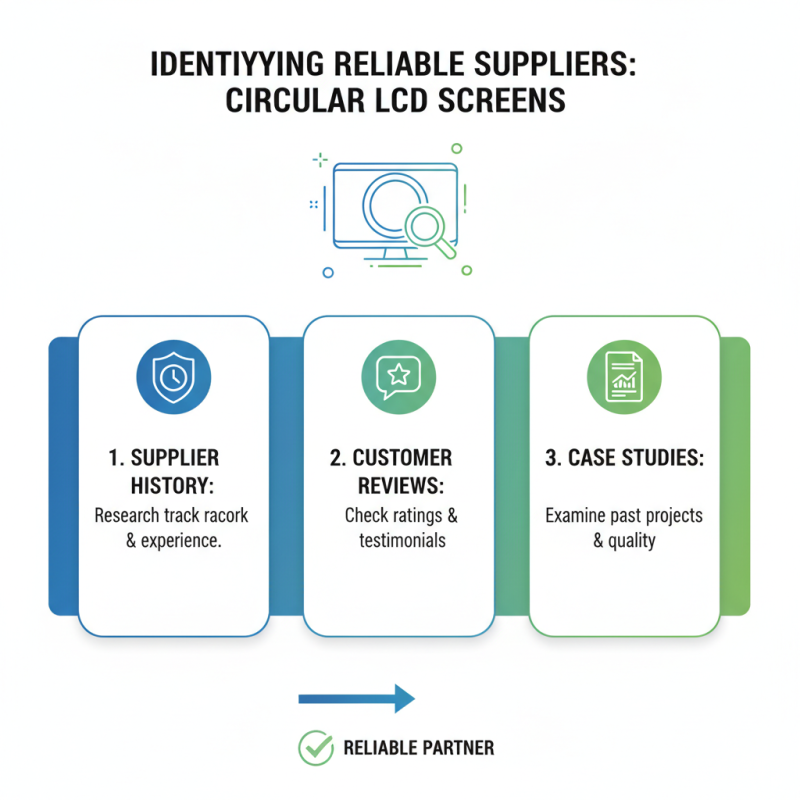
Additionally, sourcing these screens can be challenging. Finding reliable suppliers is not always straightforward. There might be instances of inconsistent quality or long lead times. It’s vital to establish strong relationships and communication with manufacturers. Sharing specific requirements can often lead to better production outcomes. Mistakes made during sourcing can result in delays or increased costs, highlighting the importance of careful planning and verification.
Evaluating the Quality of Circular LCD Screens Before Purchase
When evaluating the quality of circular LCD screens, the first step is to assess the resolution. A higher resolution ensures clearer images. Look for screens with at least 1080p resolution for optimal viewing experiences. This specification also impacts the overall performance of the device, especially in various lighting conditions.
Next, examine the color accuracy and brightness. Screens that boast a wide color gamut will deliver vivid and lifelike visuals. Brightness is crucial for outdoor usage. Check if the screen can handle reflections and maintain visibility under direct sunlight. Users often overlook these aspects, which can lead to poor functionality in real-world settings.
Durability is another key factor. Consider the material used in the screen's construction. Inquire about scratch resistance and overall build quality. Screens vulnerable to damage may lead to frequent replacements. Lastly, reviews from credible sources can provide insights into user experiences. Researching feedback helps identify potential shortcomings before making a purchase decision.
Top 5 Tips for Sourcing Circular LCD Screens Effectively
Negotiating Pricing and Terms for Bulk Orders of LCD Screens
Negotiating pricing and terms for bulk orders of circular LCD screens requires skill and strategy. Start by researching market trends. According to a recent report from Future Market Insights, the demand for LCD screens is projected to rise by 5.3% annually through 2028. Understanding these trends helps you position your negotiation effectively.
When entering negotiations, set clear targets. Know your budget, but also understand the supplier's position. For bulk orders, discounts typically range from 10% to 30%, depending on order size. Analyze the proposed terms. Are there hidden fees or long lead times? Sometimes a lower upfront cost may lead to increased expenses later.
Establish relationships. Regular communication with suppliers often leads to better deals. However, being overly rigid on price can frustrate suppliers. A flexible approach can create room for concessions. Remember, pushing too hard may backfire. It is essential to find a balance between cost and quality. Trust and clarity can lead to better long-term partnerships.
Ensuring Sustainability in the Sourcing Process of LCD Screens
Sourcing circular LCD screens with sustainability in mind requires a strategic approach. Focus on finding suppliers who prioritize environmentally friendly practices. Look for manufacturers who utilize recycled materials and offer take-back programs for old screens. This commitment not only supports sustainability but also enhances your brand's reputation.
Transparency is crucial in the sourcing process. Engage with suppliers who disclose their production methods and material sources. A reliable supplier should be open about their environmental impact. Conducting audits can help ensure that they adhere to sustainable practices. While most companies claim sustainability, not all follow through effectively.
Involving stakeholders in sustainability discussions can yield valuable insights. Engage with teams that understand the implications of sourcing decisions. Consider the entire lifecycle of the product. This process often reveals areas for improvement. Strive for continuous evaluation of sourcing strategies. Rely on facts and data rather than assumptions. Consistent reflection on these practices can lead to meaningful advancements in sustainability efforts, ultimately benefiting both the environment and your business.