Best TFT LCD Display Options for Global Buyers?
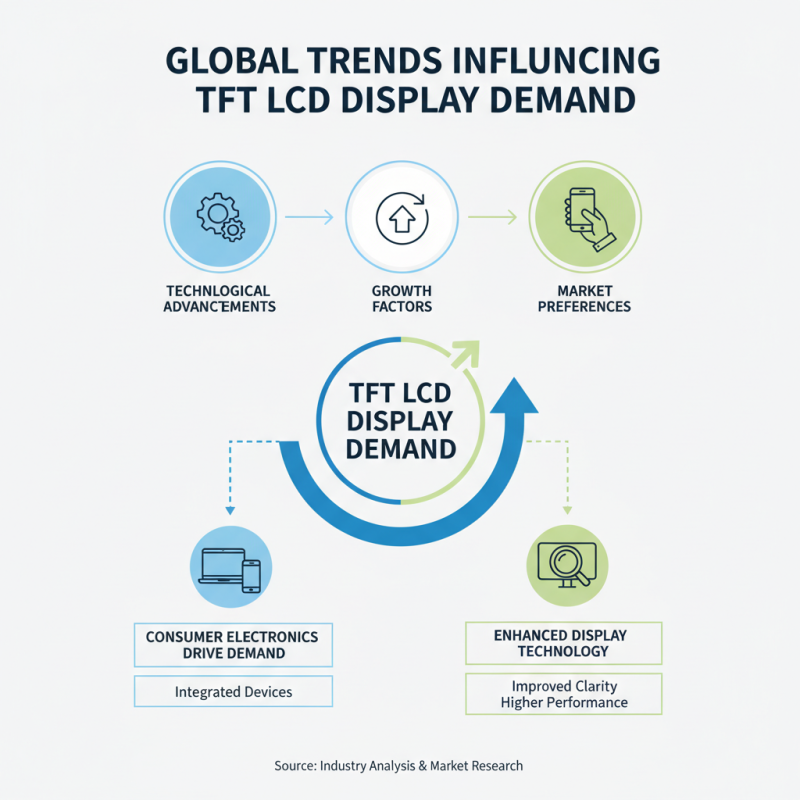
The current landscape of the TFT LCD display market is dynamic and competitive. According to a recent report from Grand View Research, the global TFT LCD market is projected to reach USD 129.03 billion by 2028, growing at a CAGR of 6.6%. This growth signifies the increasing demand for high-quality displays across various industries, including consumer electronics and automotive sectors.
Despite the positive outlook, buyers must navigate a myriad of choices. Not all TFT LCD displays meet the necessary quality benchmarks. Discrepancies in production standards can affect performance and longevity. According to a study by MarketsandMarkets, 30% of displays fail to meet acceptable color accuracy levels. Thus, buyers must diligently assess their options to avoid wasted investment.
Selecting the right TFT LCD display is crucial. Factors like resolution, refresh rate, and energy efficiency directly impact user experience. As the market continues to evolve, informed decision-making becomes essential. A clear understanding of these specifications can mitigate risks and enhance satisfaction.
Top Characteristics to Look for in TFT LCD Displays
When selecting the best TFT LCD display, understanding key characteristics is crucial. One major factor is resolution. Higher resolution enhances image clarity. Look for options that offer at least 1080p resolution for crisp visuals.
Another significant aspect is brightness. A display with 300 nits or higher works well in various lighting conditions. It ensures content remains visible, even under bright sunlight.
Color accuracy is another consideration. A display with wide color gamut coverage will deliver richer, more vibrant colors. This is essential for tasks like photo editing or graphic design. Additionally, look at the response time. Fast response times reduce motion blur, especially in video applications. A response time under 5 milliseconds is ideal for smooth visuals.
Viewing angles also matter. A display with a wide viewing angle maintains color accuracy when viewed from different positions. This is valuable in collaborative environments. It's important to reflect on these characteristics, particularly how personal usage influences choice. What works for one may not suit another. Evaluating personal needs is necessary for making informed decisions.
Comparison of TFT LCD Display Technologies and Their Applications
When exploring TFT LCD display technologies, it is essential to understand the various types available. Thin-Film Transistor (TFT) displays are widely used due to their superior image quality. They offer vibrant colors and sharp contrast. The two main types are a-Si TFT and LTPS TFT. Each has strengths and weaknesses depending on the application.
a-Si TFT displays are cost-effective and offer satisfactory performance in applications like TVs and monitors. However, they may not provide the same efficiency for mobile devices. LTPS TFT displays, on the other hand, deliver better performance and lower power consumption. They are suitable for smartphones and tablets but can be more expensive. This can deter some potential buyers.
Moreover, the choice of technology often reflects the buyer's needs. Some may prioritize cost, while others focus on performance. The market is flooded with options, making it challenging to choose wisely. It is crucial for global buyers to consider their specific application needs before making a decision. Each technology presents unique traits and potential drawbacks that require careful consideration.
Best TFT LCD Display Options for Global Buyers
| Display Technology |
Resolution |
Contrast Ratio |
Viewing Angle |
Typical Applications |
| TFT (Thin Film Transistor) |
1920 x 1080 (Full HD) |
1000:1 |
160° (H/V) |
Monitors, TVs, Smartphones |
| IPS (In-Plane Switching) |
2560 x 1440 (QHD) |
1200:1 |
178° (H/V) |
Professional Monitors, Tablets |
| VA (Vertical Alignment) |
3840 x 2160 (4K) |
3000:1 |
178° (H/V) |
TVs, Gaming Monitors |
| MVA (Multidomain Vertical Alignment) |
1920 x 1080 (Full HD) |
2500:1 |
176° (H/V) |
Consumer Electronics, Industrial Applications |
Key Manufacturers and Brands in the TFT LCD Market
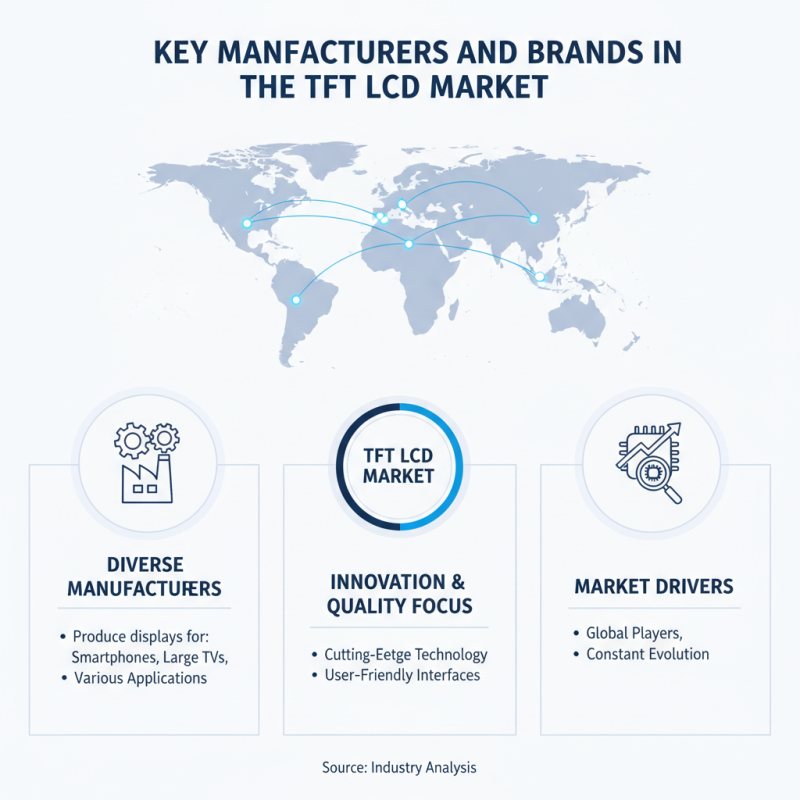
The TFT LCD market includes a diverse range of manufacturers. They produce displays for various applications, from smartphones to large television screens. Key players often focus on innovation and quality. They drive the market with cutting-edge technology and user-friendly interfaces.
In recent years, buyer preferences have shifted. Customers seek high-resolution screens with better color accuracy. Manufacturers respond by improving their production techniques. Some companies are exploring eco-friendly materials, aiming for sustainable practices. This is crucial as global awareness of environmental impact grows.
Industry experts emphasize the importance of reliability. With many options available, buyers must evaluate performance and longevity. It can be tricky to determine which displays will meet their needs. Reviews and expert opinions play a vital role in this decision-making process. However, even with research, some choices may not live up to expectations, highlighting the need for cautious purchasing.
Pricing Strategies for TFT LCD Displays Across Different Regions
TFT LCD displays are vital for various industries worldwide. Pricing strategies play a crucial role in determining consumer choice and market competitiveness. Different regions often have unique pricing dynamics influenced by local demand, supply chain costs, and import tariffs.
For instance, North America tends to have higher prices due to stricter regulations and quality standards. Conversely, Southeast Asia might provide lower prices because of cheaper labor and production costs. Understanding these nuances is key for global buyers aiming to make informed decisions.
Tips: Research local market trends regularly. This keeps you aware of price fluctuations. Consider engaging with local suppliers to gain firsthand insights. Their knowledge can help you navigate regional pricing complexities. Analyzing competitors' pricing strategies can also enhance your approach.
Not all markets will respond uniformly to price changes. Some might see a drop in demand with higher prices. Others could be less sensitive. This variability suggests that a one-size-fits-all strategy isn't effective. Thus, adaptability is essential when choosing TFT LCD display options.