What to Consider When Sourcing TFT LCD Display Products?
When sourcing TFT LCD Display products, various critical factors must be considered. The global TFT LCD market size was valued at approximately $135 billion in 2022, according to industry reports. This sector has shown a sustained growth trend, fueled by increasing demand in consumer electronics and display technologies. Understanding market needs is crucial for procurement decisions.
When evaluating suppliers, reliability and quality are paramount. Studies indicate that 75% of manufacturers prioritize display quality over price. Therefore, selecting manufacturers with a proven track record is essential. Additionally, maintaining strong supplier relationships can lead to better service and innovative solutions. It's vital to assess each potential supplier’s capabilities systematically.
The shift towards more eco-friendly and energy-efficient products is noticeable. Manufacturers are now focusing on sustainable materials and processes. However, this transition can pose challenges regarding cost and integration. Reflecting on these factors can lead to more informed sourcing decisions. Prioritizing flexibility and adaptability in your supply chain can mitigate future risks.

Understanding TFT LCD Display Technologies and Their Applications
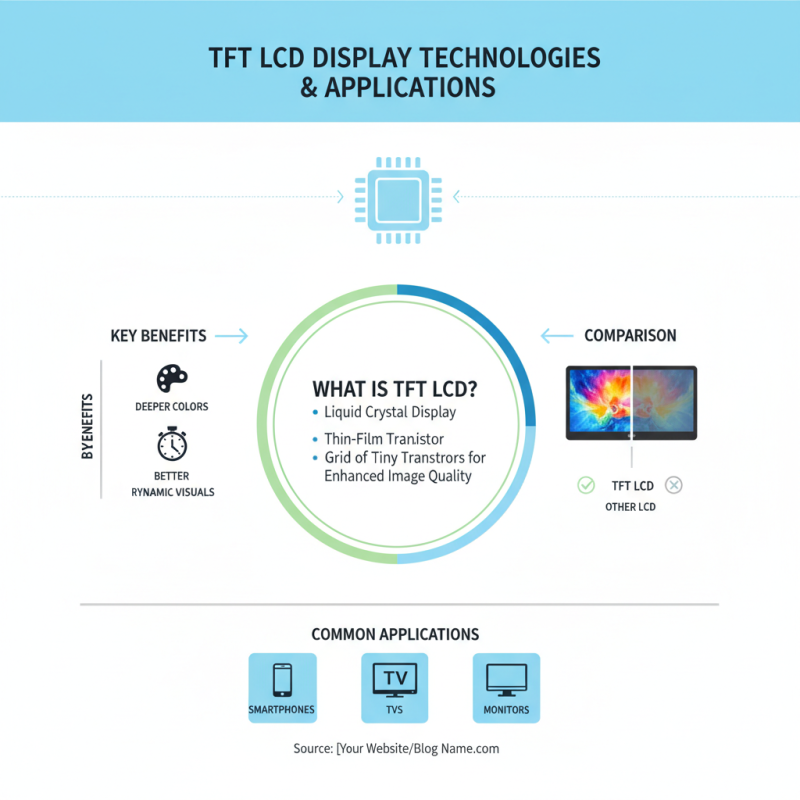
TFT LCD (Thin-Film Transistor Liquid Crystal Display) technologies are crucial in various applications, including smartphones, TVs, and monitors. Understanding these technologies means grasping how they differ from other displays. TFT LCDs provide deeper colors and better responsiveness, making them suitable for dynamic visuals. These displays use a grid of tiny transistors, enhancing image quality significantly.
When selecting TFT LCD display products, consider factors such as resolution and backlighting. High resolution allows for clearer images. Different backlighting options can affect brightness and color accuracy. Not all TFT LCDs are created equal. Some might have slow refresh rates, which can lead to motion blur. Testing displays under varied conditions is essential to understand their strengths and limitations.
Applications vary widely, from consumer electronics to industrial uses. Some applications demand high durability and stability. TFT LCDs in outdoor settings require robust protective features. Examine environmental factors that could impact performance, like temperature fluctuations and humidity. Sourcing products involves balancing quality and cost. Investing in a higher-quality display might yield better long-term results.
Key Criteria for Evaluating TFT LCD Display Product Quality
When evaluating TFT LCD display products, several key criteria come into play. Resolution is one of the most critical factors. A higher resolution often leads to better image quality. Pay attention to the pixel density and how it influences clarity. Brightness levels also matter greatly. Ideal displays should maintain visibility in various lighting conditions, both indoors and outdoors.
Color accuracy is another essential aspect. Displays should reproduce colors faithfully, which is vital for applications requiring precision. A color gamut that covers a wide spectrum can enhance viewing experiences. Viewing angles must not be overlooked. Poor angles can distort images and reduce user satisfaction.
Tips: Always request sample displays to assess their performance firsthand. Engage with suppliers who provide comprehensive technical specifications. Compare products based on user reviews to gain insights into overall quality. Consider the longevity and warranty offered. It’s essential to weigh the initial investment against potential long-term benefits. Be mindful of potential trade-offs between features and cost. Sometimes, a less expensive option may perform adequately for specific applications.
Comparing TFT LCD Display Suppliers: Key Factors to Consider
When sourcing TFT LCD display products, comparing suppliers is crucial. One key factor is the manufacturing capacity. Reports indicate that larger suppliers can produce over 500,000 units monthly. This output ensures a steady supply for growing businesses. Smaller suppliers may struggle to meet high demand. Their lower production capability can lead to delays, which impacts project timelines.
Quality control is another essential aspect. Different suppliers have various standards and certifications. For instance, ISO 9001 ensures consistent quality management. Choosing a supplier with robust quality assurance processes can reduce defects. Industry data shows that screens with high defect rates can cost companies up to 10% of their profit margins in customer returns.
Consider the supplier's experience in your specific application. Experienced suppliers understand the unique requirements of different industries. They offer tailored solutions that meet your specifications. However, newer suppliers may provide innovative technologies. This potential could be beneficial, but the risk lies in their unproven reliability. Evaluating both established and emerging suppliers can offer a balanced perspective.
Comparison of Key Factors in TFT LCD Display Sourcing
Cost Analysis: Budgeting for TFT LCD Displays in Your Projects
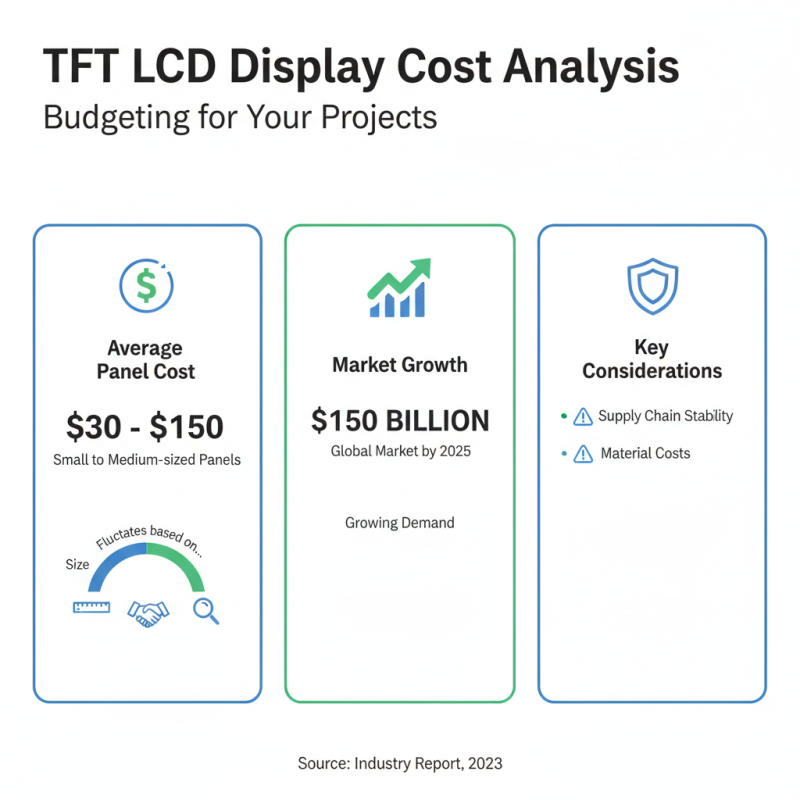
When budgeting for TFT LCD displays, several factors demand careful consideration. The average cost for small to medium-sized TFT LCD panels ranges from $30 to $150. Pricing fluctuates widely based on size, resolution, and supplier relations. A recent industry report indicates that the global TFT LCD market is projected to reach $150 billion by 2025, emphasizing the growing demand. However, customers should remain cautious about supply chain stability and material costs.
Delving deeper into assembly costs highlights unexpected challenges. Integration of TFT LCD displays often involves additional components like backlighting and connectors. These components can add anywhere from 10% to 30% to the total project cost. Additionally, unforeseen technical issues during assembly can trigger delays. A survey by industry leaders reveals that 45% of projects exceeded budget due to unplanned complications. It’s crucial to maintain a flexible budget for such variances.
Another essential aspect is the longevity and reliability of the display. Low-quality displays might seem cheaper but may incur hidden costs in the long run, such as replacement and maintenance. According to a 2022 study, 70% of panels fail to meet the expected lifespan due to poor sourcing. Investing in high-quality TFT LCD displays will ultimately reduce expenditures related to refurbishments and customer satisfaction. Balancing immediate costs with long-term reliability is key in effective budgeting.
Post-Purchase Considerations: Support and Warranty Options for Displays
When sourcing TFT LCD display products, post-purchase considerations are crucial. Support and warranty options directly affect product performance and lifespan. Industry reports reveal that nearly 30% of consumers encountered issues within the first year of use. This statistic underscores the importance of reliable support services.
Choosing a supplier that offers comprehensive warranty options can save costs down the line. Typical warranties for TFT LCD displays range from one to three years. Longer warranties often indicate confidence in product quality, but finer details matter. Read the fine print. Understand what is covered and any exclusions.
Tips: Always confirm the support structure before purchasing. Check if technical support is available 24/7. A quick response time matters when issues arise.
Additionally, consider the customer feedback regarding support experience. Some consumers report delays in service even with recognized brands. That's an area for reflection. Evaluate your choices carefully, looking beyond initial price points. Ultimately, effective after-sales support can enhance your product's value.