Best Display Panel LCD Options for Global Buyers?
In today's global market, selecting the right display panel LCD is crucial for consumers and businesses alike. A wide variety of options exist, each with unique features and specifications. This diversity can be overwhelming for buyers who strive to make informed choices.
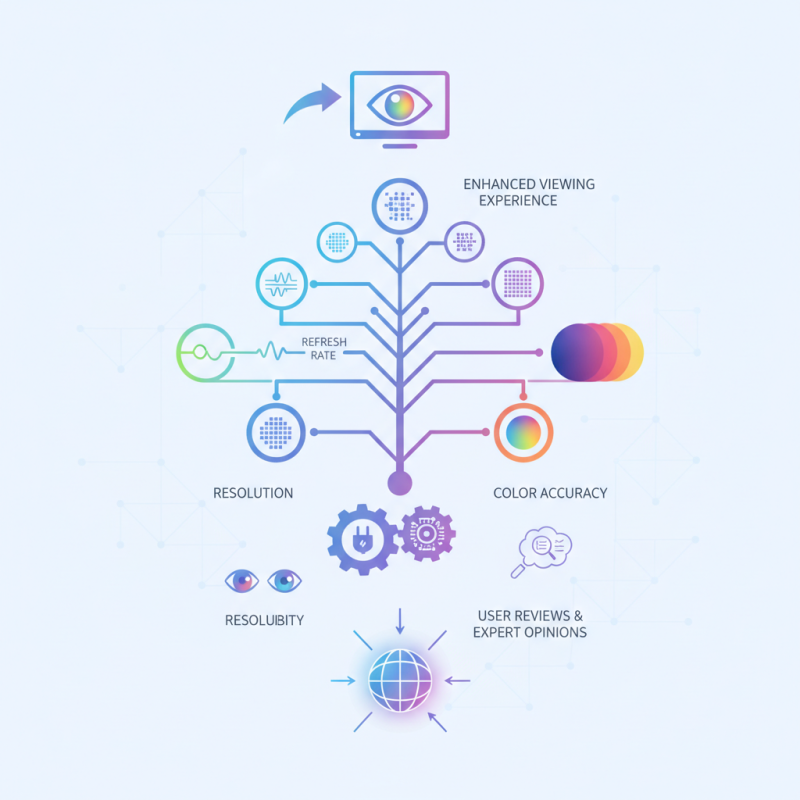
Understanding which display panel LCD fits your needs requires in-depth knowledge. Buyers should consider factors such as resolution, refresh rate, and color accuracy. Brands like Samsung, LG, and Sony have established authority in this field. However, new entrants are also challenging traditional leaders, offering innovative solutions at competitive prices.
Despite the vast array of choices, mistakes can occur. Buyers might overlook the importance of compatibility with existing systems. It's essential to reflect on personal requirements and long-term usage goals. Engaging with user reviews and expert opinions will aid in navigating the complexities of this market. The goal is to find a display panel LCD that truly enhances your viewing experience.
Overview of Display Panel Types: LCD vs Other Technologies
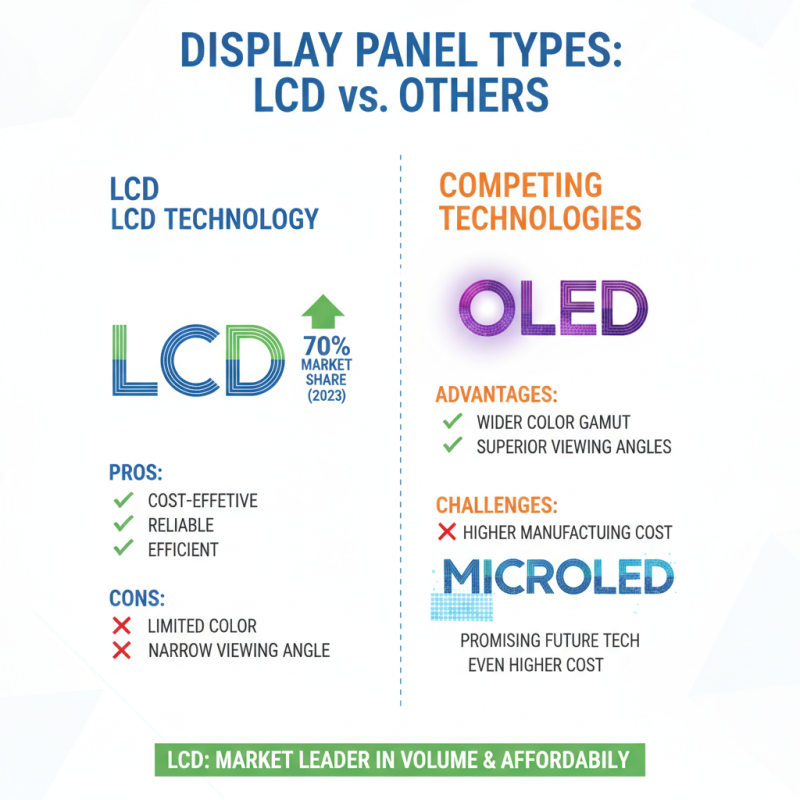
When evaluating display panel technologies, LCD remains a strong contender. Recent market reports show that LCD panels accounted for over 70% of the global display market in 2023. This prevalence highlights their efficiency and reliability. LCD technology benefits from lower manufacturing costs compared to OLED and microLED, making it accessible for many consumers. However, one notable challenge is their limited color range and viewing angles compared to their competitors.
In contrast, OLED panels provide richer colors and deeper blacks. But, their higher costs can deter widespread adoption. MicroLED offers promising advancements, yet remains largely experimental and expensive. According to a 2023 report, only 10% of consumers are familiar with microLED technology. Many still rely on LCD for everyday use. This indicates a gap in market knowledge that could influence future purchases.
While LCD displays continue to dominate the market, their limitations must not be ignored. Manufacturers are continuously working on enhancing color accuracy and refresh rates. Ongoing innovations are crucial for meeting consumer needs. Future developments in display technology may shift preferences dramatically, as users seek improved visual experiences. The evolving landscape keeps buyers informed and engaged.
Key Features to Consider When Choosing LCD Panels
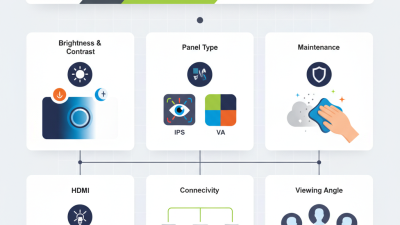
When selecting LCD panels, certain key features significantly impact performance and user experience. One crucial aspect is resolution. Higher resolution provides sharper images. For many, Full HD or 4K resolution is essential for detailed visuals. Yet, some may find these options can strain older devices.
Another important feature is color accuracy. Look for panels that offer a broad color gamut. This ensures that colors appear vibrant and true to life. However, achieving perfect color calibration can be tricky. Some low-cost panels might fall short in this area, leading to disappointing color reproduction.
Refresh rate is also vital, especially for gamers. A higher refresh rate leads to smoother motion. Many prefer at least 60Hz, while serious gamers aim for 120Hz or more. But this higher performance often comes with increased cost. Buyers need to weigh their needs against their budget wisely. Keeping these factors in mind ensures a more informed purchase decision for global buyers.
Leading Manufacturers of LCD Panels in the Global Market
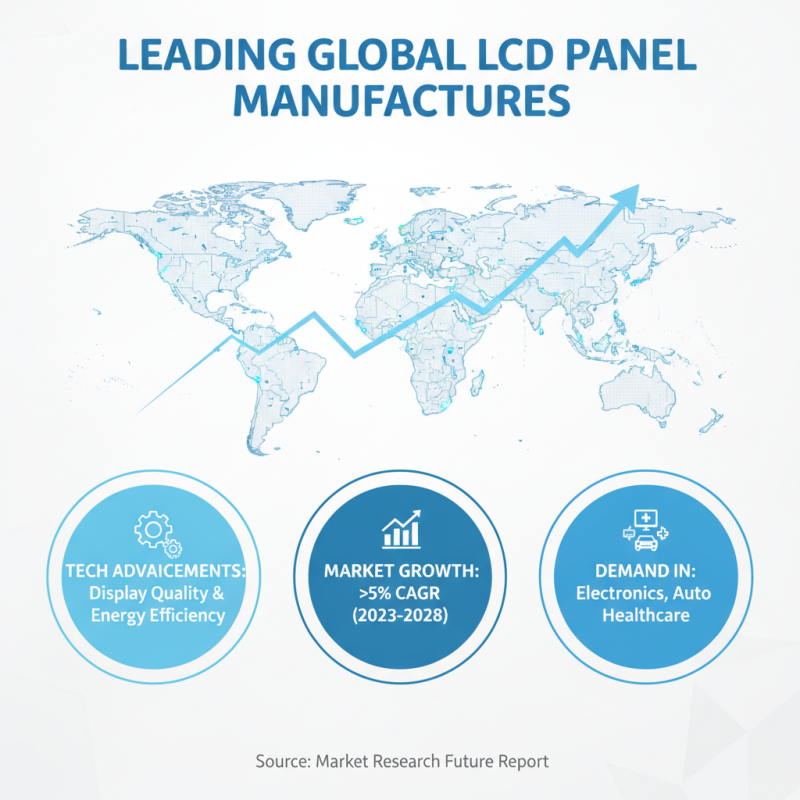
The global LCD panel market is continuously evolving, driven by advancements in technology and changing consumer preferences. Leading manufacturers are focusing on enhancing display quality, energy efficiency, and production capabilities. According to a recent industry report by Market Research Future, the global LCD panel market is expected to grow at a CAGR of over 5% from 2023 to 2028. This reflects the increasing demand for high-resolution displays in various sectors, including electronics, automotive, and healthcare.
Prominent players in the LCD panel sector are investing heavily in research and development. They aim to refine their manufacturing processes and adopt eco-friendly solutions. Innovations, such as thin-film transistor (TFT) technology, have significantly improved display clarity and responsiveness. However, companies face challenges with market saturation and price competition. In emerging markets, there is a notable interest in affordable LCD options, often leading to compromises in quality. As manufacturers strive for cost efficiency, maintaining high standards can sometimes slip.
Despite facing tough competition, manufacturers must remain adaptable. The shift towards OLED technology presents both opportunities and challenges. As consumers gravitate towards richer color palettes and improved contrast ratios, LCD panel makers must rethink their strategies. Balancing innovation with market demand is crucial. Understanding these dynamics will help manufacturers refine their offerings in a rapidly changing landscape.
Cost-Effectiveness of LCD Displays for Various Applications
When considering the cost-effectiveness of LCD displays, various factors play a crucial role. LCD panels offer versatility for numerous applications, such as televisions, monitors, and mobile devices. The initial investment may vary, but the long-term benefits are significant. Users must assess the performance and durability of LCDs to ensure value for money.
Tips for maximizing your LCD display investment: Prioritize resolution. Higher resolution enhances clarity and color accuracy. Also, consider the viewing angles. Some panels provide better views from different positions. Eye strain is another concern; features like blue light filters can make a positive difference.
While LCD displays are affordable, not all options deliver equal performance. Consumers should be wary of cheaper alternatives that may compromise quality. Reviews and expert recommendations can provide insights into which models perform best in real-world scenarios. Balancing cost with quality requires careful research to make informed decisions.
Best Display Panel LCD Options for Global Buyers
| Application |
Display Size |
Resolution |
Cost per Unit |
Energy Consumption (W) |
| Gaming |
27 inches |
2560 x 1440 |
$350 |
50 |
| Professional Graphics |
32 inches |
3840 x 2160 |
$800 |
65 |
| Home Entertainment |
55 inches |
1920 x 1080 |
$600 |
70 |
| Mobile Devices |
6.5 inches |
2400 x 1080 |
$250 |
15 |
| Industrial Applications |
10 inches |
1280 x 800 |
$150 |
25 |
Future Trends in LCD Technology and Market Predictions
The landscape of LCD technology continues to evolve rapidly, driven by a blend of innovation and consumer demand. According to a recent report by Statista, the global LCD market is projected to exceed $200 billion by 2026, underpinned by advancements in display quality and energy efficiency. Enhanced resolutions such as 4K and 8K are now becoming standard, while panel manufacturers eagerly explore technologies like Mini LED and Micro LED.
However, market predictions suggest potential hurdles. Manufacturers may face challenges with production costs, as raw materials become scarce and labor prices rise. This could stifle the acceptance of cutting-edge technologies among consumers and businesses alike. Additionally, there are growing concerns about environmental sustainability in LCD production processes, which could lead to regulatory changes impacting the market.
Tip: When choosing an LCD panel, consider not only performance but also the potential longevity of the technology. Look for panels that support future innovations to ensure your investment remains relevant.
Emerging trends point towards the integration of
AI and smart technologies in LCD panels. This could enhance user experience dramatically. Yet, the move towards smarter displays requires extensive
testing, as some advancements are still in their nascent stages. Being aware of these aspects can help buyers make informed decisions.
Tip: Always research the technology roadmap of the products you are interested in to ensure alignment with future developments.