What is an Electric Bike Display and How Does It Work?
Electric bikes have gained immense popularity in recent years, offering an eco-friendly alternative to traditional transportation. Central to this experience is the Electric Bike Display. It serves as the brain of the bike, providing vital information to users. Understanding its functions can enhance your riding experience significantly.
The Electric Bike Display presents crucial data, such as speed, battery level, and distance traveled. These metrics are not just numbers; they can influence your ride's efficiency. Riders often rely on this information for planning routes and managing battery life. An intuitive display can make or break your biking experience, especially on longer journeys.
However, not all displays are created equal. Some lack clarity or responsiveness. This can lead to frustration when you need real-time data. It's essential to choose a display that suits your needs. Recognizing the importance of the Electric Bike Display can lead to more enjoyable rides and informed decision-making. Embracing this technology is an investment in your biking future.
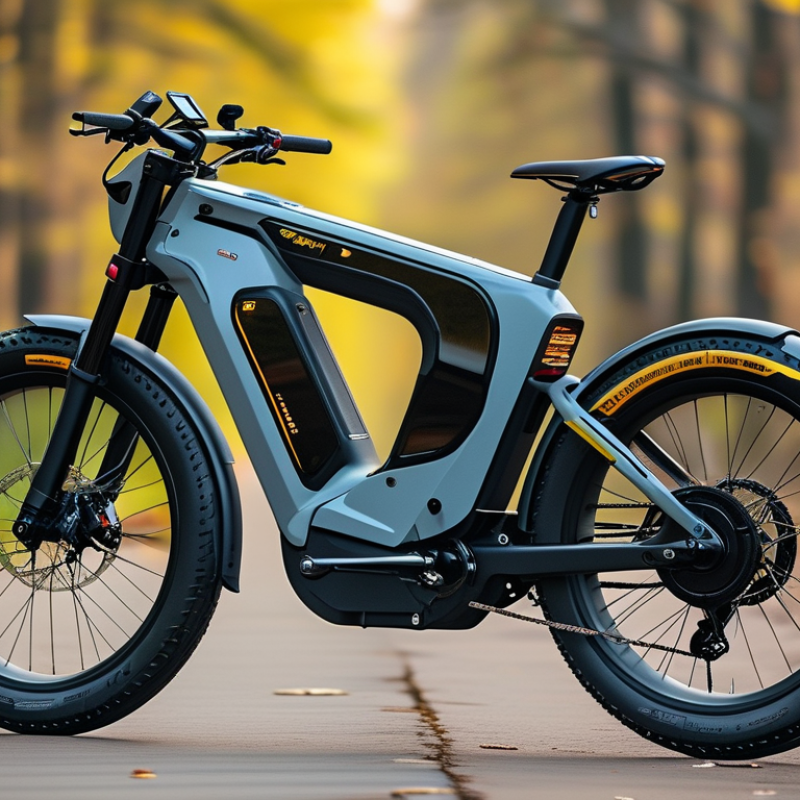
What is an Electric Bike Display?
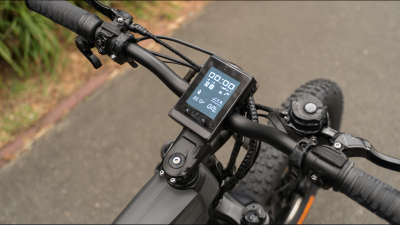
An electric bike display is a vital component for any e-bike. It serves as the user interface that provides essential information to the rider. This display typically shows speed, battery level, distance traveled, and assist modes. Riders rely on this data for optimal performance during their ride. A clear and intuitive display enhances the overall biking experience.
The display works in real-time, communicating with the bike’s controller. It receives data from various sensors around the bike, ensuring users are informed. For instance, knowing the remaining battery life can prevent unwanted surprises mid-ride. However, not all displays are created equal. Some riders express frustration over small fonts or unclear icons.
Many displays also have additional features, including light controls and ride modes. Yet, complexity can be a downside. A more complicated interface can lead to confusion, especially for new users. Riders might find themselves distracted while trying to navigate. Prioritizing simplicity can enhance safety and usability. Balancing innovation with user-friendly design is key for manufacturers.
Components of an Electric Bike Display
Electric bike displays serve as the central interface for riders, providing essential information about bike performance and battery status. Key components of these displays include a screen, control buttons, and connectors. The screen can be LED or LCD, showing data such as speed, distance, and battery level. Control buttons allow riders to change settings, navigating different modes and functions seamlessly.
Connectors are also crucial, linking the display to various components of the e-bike. These components include the battery, motor, and sensors that monitor performance. Poor connection can lead to malfunction, displaying inaccurate information. Riders sometimes overlook the importance of keeping these connections clean and secure. Regular maintenance is necessary to ensure reliability.
Incorporating user feedback is vital for improving e-bike displays. Though these systems are generally user-friendly, not every rider finds them intuitive. Some struggle to interpret the data presented. Addressing these challenges through thoughtful design can enhance the overall riding experience. Balancing functionality with simplicity remains a continuous evolution in electric bike display technology.
Functionality of Electric Bike Displays
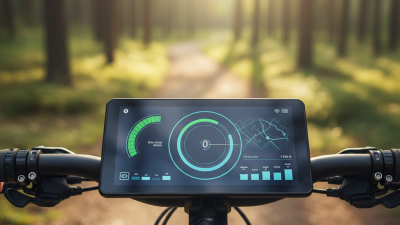
Electric bike displays serve as the control center for riders, providing essential information in real-time. These displays typically show speed, battery level, distance, and assist level. With this information, riders can make informed decisions during their ride. Seeing the battery level helps avoid unexpected run-outs. Maintaining a manageable speed is crucial for safety, especially in busy areas.
The user interface of electric bike displays can vary widely. Some have simple LED lights, while others feature vibrant color screens. Functionality can include navigation options, making rides more enjoyable. However, the complexity can lead to confusion for some users. Not everyone feels comfortable with advanced tech features. Feedback from riders suggests that simplicity is often more appreciated than overly complex systems.
Despite their usefulness, electric bike displays can sometimes falter. Calibrations may go off, leading to inaccurate readings. Riders might experience frustration when information does not match their expectations. There’s a learning curve with these devices. Riders may need time to understand how to utilize display features fully. Being aware of these limitations can enhance the riding experience.
Types of Electric Bike Displays Available
Electric bike displays play a crucial role in enhancing the riding experience. They provide essential information about speed, battery level, and distance traveled. There are various types of displays available on the market. Each type serves different needs and preferences.
LCD displays are the most common. They offer bright, clear visuals and can show multiple metrics at once. According to a recent market report, around 55% of electric bike owners prefer LCD displays for their readability in different conditions. On the other hand, LED displays are simpler and typically lighter. These displays focus on basic metrics like speed and battery status. They are often used in budget models.
Another emerging option is the smartphone app integration. Many riders appreciate the additional features offered by these apps. They allow for customizable settings, navigation, and performance tracking. Data from industry sources indicate that app-integrated displays are gaining popularity, with usage increasing by 20% year-over-year. While these modern displays enhance the riding experience, they can also present challenges, such as compatibility issues and reliance on battery life.
Electric Bike Display Types and Usability
This chart illustrates the frequency of usage of different types of electric bike displays. Basic LCD displays are the most commonly used, followed by color LCDs, while smart displays and app-integrated displays have lower usage rates.
Benefits of Using an Electric Bike Display
An electric bike display is an essential component for tracking ride data. It provides real-time information about speed, distance, battery level, and assistance modes. This helps riders monitor their performance effectively. Many displays also show time and trip information. Each function serves to enhance the biking experience, making rides more enjoyable.
Using an electric bike display offers notable benefits. It improves safety by allowing riders to maintain a safe speed. Riders can easily check their battery level, avoiding unexpected breakdowns. Moreover, the display aids in achieving fitness goals by tracking distance and speed. The clear, organized layout promotes focus on the road, minimizing distractions.
However, not all displays are user-friendly. Some may have complex interfaces that can be overwhelming. A rider might struggle with the setup process or battery life notifications. This could lead to frustration, impacting the overall enjoyment of the ride. Finding a display that balances functionality and simplicity can be challenging.
What is an Electric Bike Display and How Does It Work? - Benefits of Using an Electric Bike Display
| Feature |
Description |
Benefits |
| Speedometer |
Displays current speed of the e-bike |
Helps assess riding speed and maintain safe limits |
| Battery Level Indicator |
Shows the remaining battery charge |
Prevents getting stranded due to low battery |
| Trip Meter |
Tracks distance traveled during a trip |
Useful for tracking exercise and planning routes |
| Power Mode Selector |
Allows switching between different power levels |
Saves battery life and customizes riding experience |
| Temperature Display |
Shows temperature of the e-bike components |
Helps prevent overheating during long rides |