What is E Paper Display and How Does it Compare to LCD Modules?
E Paper Display and LCD Display Modules are two popular technologies in the visual display market. Both serve distinct purposes and offer unique benefits. Understanding their differences is crucial for making informed decisions.
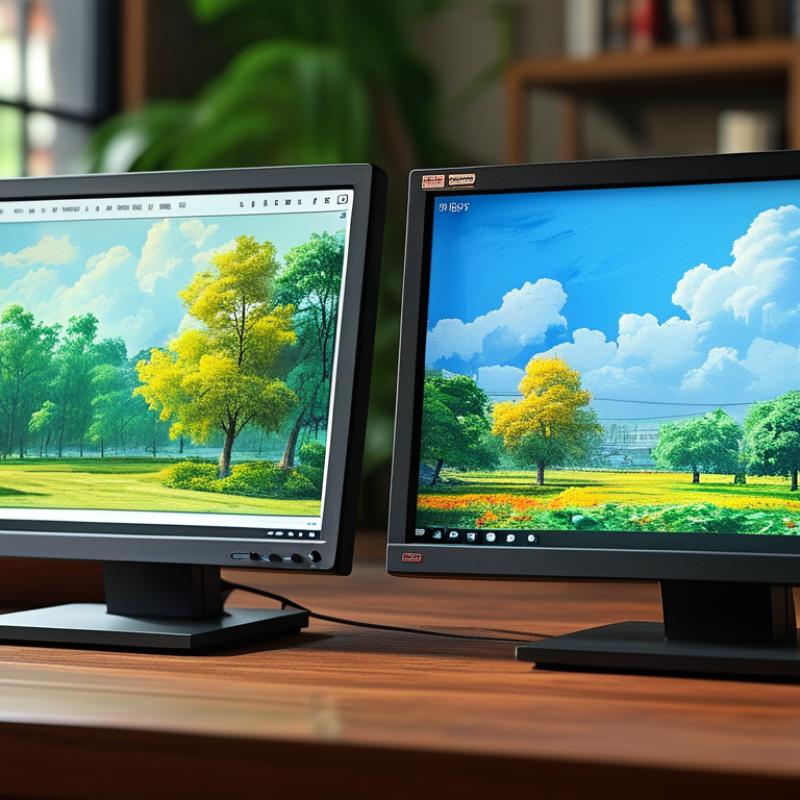
E Paper Displays mimic ink on paper. They are ideal for reading devices and signage. Their low power consumption is a significant advantage. Contrast this with LCD Display Modules, which are vibrant and dynamic. They excel in applications requiring quick updates and animations. However, they consume more energy, limiting their use in some settings.
Choosing between E Paper and LCD depends on your needs. E Paper displays shine in static content, while LCD modules are perfect for rich visuals. Each technology presents strengths and weaknesses. Evaluating them carefully can lead to clearer decisions.
What is E-Paper Display?
E-paper displays are a unique technology designed to mimic the appearance of printed paper. They are primarily used in devices like e-readers and electronic signage. The screen is made up of tiny microcapsules filled with black and white particles, which react to electrical fields. This allows for a wide range of colors and images, but in a limited way compared to traditional displays.
One key feature of e-paper is its low power consumption. It retains the image even when not powered, making it ideal for devices that require long battery life. However, the refresh rate is slower compared to LCDs. Users might find the screen feels less responsive, especially when flipping pages. The contrast and brightness can also be less vivid than what you see on LCD screens.
While e-paper is excellent for reading and prolonged use, the technology has limitations. It's not ideal for animations or fast-paced content. Users should consider their needs before choosing between e-paper and LCD. Each has its pros and cons, which can impact user experience. Understanding these differences can lead to better decisions in selecting a display type.
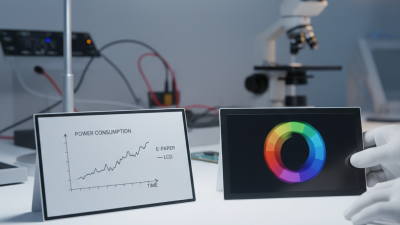
E-Paper Display vs LCD Modules: Power Consumption Comparison
Understanding the Technology Behind E-Paper Displays
E-paper displays have gained popularity for various applications,
from e-readers to smartwatches. Unlike traditional LCD modules, e-paper technology mimics the appearance of ink on paper.
This unique trait reduces eye strain and enhances readability in various lighting conditions, making it a preferred choice
for prolonged use.
A report from IDTechEx indicates that e-paper market revenue is expected to reach
$3 billion by 2026. This growth is driven by increasing demand
for energy-efficient display technologies. E-paper utilizes much less power compared to LCDs, as it only consumes energy
during image updates. This passive display mechanism allows for longer
battery life in devices, crucial for modern, portable technology.
When considering an e-paper display, think about its environmental impact. E-paper is recyclable and requires less energy
over its lifespan than LCDs. However, limited color options and slower refresh rates can be seen as drawbacks. It's
essential to weigh these factors based on your application needs.
Tip: Always check display resolution
and contrast ratio before making a decision. High contrast enhances visibility, while resolution affects image sharpness.
Another aspect to consider is the viewing angle. E-paper displays can be viewed from various angles without distortion.
But in very bright conditions, some users report reduced visibility. Understanding these limitations can help in making
informed choices.
Key Advantages of E-Paper Over Traditional LCD Modules
E-paper displays are gaining traction due to their unique advantages. One major benefit is energy efficiency. Unlike LCD modules, which consume power continuously to maintain an image, e-paper only uses energy during image updates. This trait makes it ideal for devices relying on battery power, significantly prolonging usage time.
Another notable advantage is readability. E-paper mimics the appearance of ink on paper, resulting in less glare and easier viewing in bright conditions. This characteristic is particularly valuable for outdoor applications or long reading sessions. Users often find they experience less eye strain with e-paper compared to traditional screens.
Durability is also key. E-paper displays are generally more resilient to extreme temperatures and conditions. However, there are limitations, such as slower refresh rates, which can hinder their use in dynamic applications. Balancing these strengths and weaknesses is essential for determining the appropriate use cases for e-paper technology.
Applications and Use Cases for E-Paper Displays
E-paper displays have gained popularity due to their unique characteristics. They use tiny capsules filled with charged black and white particles. This creates a paper-like effect that is easy on the eyes. Various industries have found practical applications for e-paper displays, including retail, transportation, and education. According to a report by ResearchAndMarkets, the e-paper display market size is projected to reach USD 26.98 billion by 2026, with a CAGR of 16.3%.
In retail, e-paper displays are increasingly used for price tags. They can be easily updated remotely, making them ideal for dynamic pricing strategies. This reduces operational costs and enhances customer engagement. The transportation sector utilizes e-paper for real-time information boards at bus stops and train stations. This ensures clarity and reduces information overload, improving user experience. Meanwhile, educational institutions leverage e-paper for reading materials, promoting sustainability while easing eye strain for students.
Tip: Consider using e-paper displays for applications where constant updating is required. They save battery life and are readable in various lighting conditions. E-paper provides a more environmentally friendly option compared to traditional displays. However, they may not be suitable for applications requiring color or fast refresh rates, which could limit their widespread adoption.
What is E Paper Display and How Does it Compare to LCD Modules?
| Feature |
E-Paper Display |
LCD Module |
| Power Consumption |
Very Low |
Higher |
| Refresh Rate |
Slow |
Fast |
| Color Range |
Monochrome |
Full Color |
| Viewing Angle |
Wide |
Moderate |
| Flexible Design |
Yes |
No |
| Application Examples |
E-readers, Digital Signage |
TVs, Monitors |
Future Trends in E-Paper Technology Compared to LCD
E-paper technology is witnessing exciting trends that could reshape its future. Unlike LCD, e-paper offers better readability in sunlight. This feature is crucial for outdoor applications, where clear visibility is essential. Current developments showcase e-paper’s capability to display rich colors and dynamic images, setting new benchmarks for versatility.
Despite its advantages, e-paper still faces challenges. The refresh rate is slower than LCD, making it less suitable for fast-changing content. This limitation restricts its use in multimedia applications. Moreover, e-paper displays often struggle with video playback quality. These are areas for improvement that developers need to address.
As the market evolves, emerging technologies promise better performance. Advances in power consumption and screen flexibility are expected. Enhanced durability will likely increase e-paper's appeal. While the technology exhibits significant potential, critical attention to its limitations is necessary for widespread adoption. The future seems bright but requires careful navigation of existing challenges.