Top Custom LCD Display Manufacturers You Should Know?
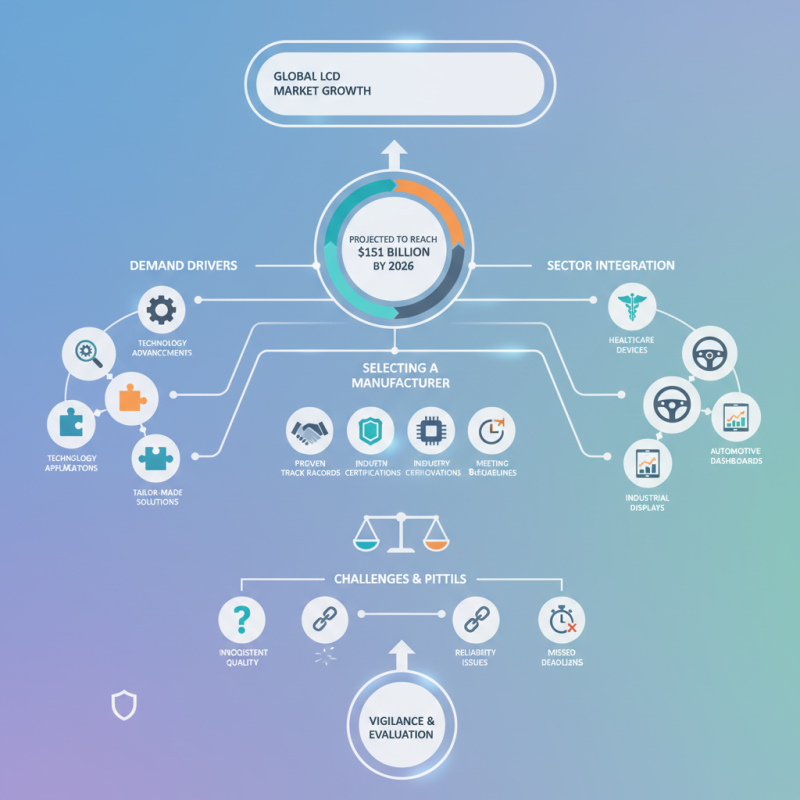
The demand for custom LCD displays continues to surge, driven by advancements in technology and growing applications across various industries. According to a recent report by MarketsandMarkets, the global LCD market is projected to reach $151 billion by 2026, reflecting the significant role of Custom LCD Display Manufacturers in this growth. Businesses seek tailor-made solutions to meet specific requirements, which has spurred innovation and enhanced performance.
Custom LCD displays are integral to sectors ranging from healthcare to automotive. These displays enable clearer visual communication, crucial for medical devices and dashboard interfaces. However, not all manufacturers deliver the same quality or reliability. It’s essential to evaluate potential partners thoroughly. Ensure they have proven track records and industry certifications.
Professional insights suggest that selecting the right Custom LCD Display Manufacturer involves more than just price. It’s about understanding the technology they use and their ability to meet deadlines. Look for manufacturers who demonstrate consistent quality and customer service. As the market evolves, potential pitfalls and challenges persist, reminding businesses to remain vigilant.
Understanding Custom LCD Displays: Market Overview and Trends
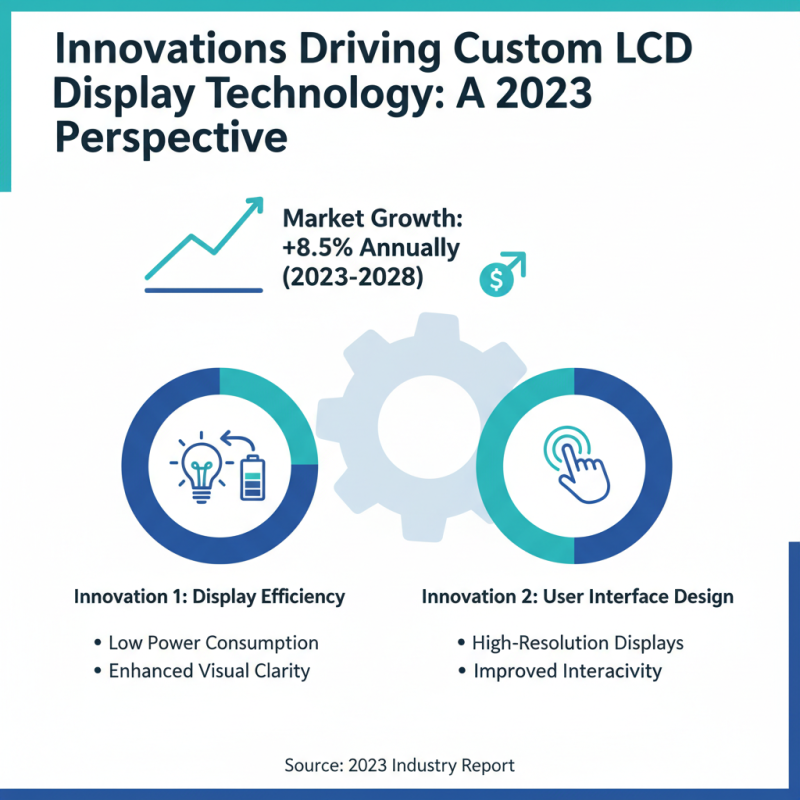
Custom LCD displays are increasingly vital in various industries. These displays cater to unique requirements across fields such as healthcare, automotive, and consumer electronics. According to recent market analysis, the global custom LCD market is expected to grow by 12.5% annually, driven by technological advancements and heightened demand for tailored solutions.
Innovations like thin-film transistors and advancements in backlighting technology are reshaping the landscape. Reports highlight that applications in medical imaging and industrial automation are shifting consumer preferences. A significant portion of businesses is leaning towards customization over standard solutions. This is evident from surveys indicating that 67% of manufacturers prioritize flexible designs.
Despite this growth, challenges persist. Component shortages and rising material costs continue to hinder progress. Many manufacturers struggle with balancing quality and affordability. Additionally, the fast-paced technological shifts present a continuous learning curve. Industry experts emphasize the need for sustainable practices to mitigate these issues. Embracing environmentally friendly materials could become a game-changer, addressing both market demands and regulatory pressures.
Key Players in the Custom LCD Display Manufacturing Industry
The custom LCD display manufacturing industry is characterized by several key players who lead in innovation and quality. According to recent market analysis, the global custom LCD display market size is expected to grow at a CAGR of over 6% through the next five years. This growth highlights the increasing demand for tailored display solutions across various sectors, including automotive, healthcare, and consumer electronics.
These manufacturers are investing heavily in R&D to enhance display technologies. For instance, advancements in LCD technology have resulted in higher resolution and better energy efficiency. Reports indicate that around 70% of manufacturers are focusing on integrating smart technologies into their displays to meet evolving consumer preferences. However, this rapid pace can lead to oversights, such as inconsistent quality control during mass production.
While innovation is crucial, the industry faces challenges. Supply chain disruptions can affect the timely delivery of components. In some cases, manufacturers struggle with agile production methods required for custom orders. Industry data shows that responsiveness often varies, leading to potential delays and dissatisfaction for clients. Balancing speed with quality remains an ongoing concern for many in the field.
Top Custom LCD Display Manufacturers by Production Capacity
Comparative Analysis of Leading Custom LCD Display Manufacturers
The landscape of custom LCD display manufacturing is nuanced. Leading manufacturers are not just defined by size, but by technological prowess and adaptability. Recent industry reports indicate that the global custom LCD market is expected to grow at a CAGR of 5.2% over the next five years. This growth reflects rising demand across various sectors, including healthcare, automotive, and consumer electronics.
The comparison among manufacturers reveals varying strengths. Some excel in specialized applications, while others focus on mass production. For example, companies that invest heavily in R&D tend to create more innovative products. A notable trend is the integration of advanced technologies like touch functionality and energy efficiency. However, not all manufacturers keep pace with these advancements. Some still rely on outdated processes, which can lead to inefficiencies and missed opportunities.
Quality remains paramount. Reports show that around 25% of custom LCD units fail quality control checks due to inadequate testing. This highlights the importance of rigorous testing protocols. Furthermore, manufacturers must adapt quickly to market needs. A slow response to changes can jeopardize their competitive edge. Overall, while many manufacturers have built solid reputations, continuous improvement and responsiveness are crucial for long-term success in this evolving market.
Future Forecast: Growth Projections for the Custom LCD Display Sector
The custom LCD display sector is poised for significant growth in the coming years. Reports suggest that the market could reach a value of over $12 billion by 2026, driven by increasing demand across various industries. The consumer electronics segment remains a primary contributor, with innovations in smart devices and IoT applications prompting manufacturers to focus on customization and enhanced functionality.
Customization is a key trend within this expanding market. Many businesses seek unique display solutions tailored for specific applications. This need fosters competition among manufacturers. Some companies strive to offer diverse display sizes, resolutions, and touch capabilities. However, with this growth comes the challenge of maintaining quality. Subpar custom displays can lead to customer dissatisfaction. Rigorous testing and quality assurance processes are essential.
Tips for navigating this market: Consider working with manufacturers who prioritize reliability and service. Their expertise can make a difference. Stay updated on technological advancements and evolving consumer preferences. Usage of advanced materials can enhance performance and longevity. Lastly, assess the total cost of ownership, not just the initial price. Investing wisely can yield better long-term results in the custom LCD display arena.