10 Essential Tips for Choosing E Paper Display and LCD Display Modules
In the rapidly evolving landscape of display technologies, the choice between
E Paper Display and LCD Display Modules
has become a pivotal decision for developers and manufacturers seeking to optimize performance and user experience. As noted by
industry expert Dr. Emily Thompson, a leading figure in display technology research,
"The right display choice can significantly enhance both functionality and energy efficiency in modern applications."
This sentiment underlines the importance of making informed decisions when selecting between these two distinct types of display modules.
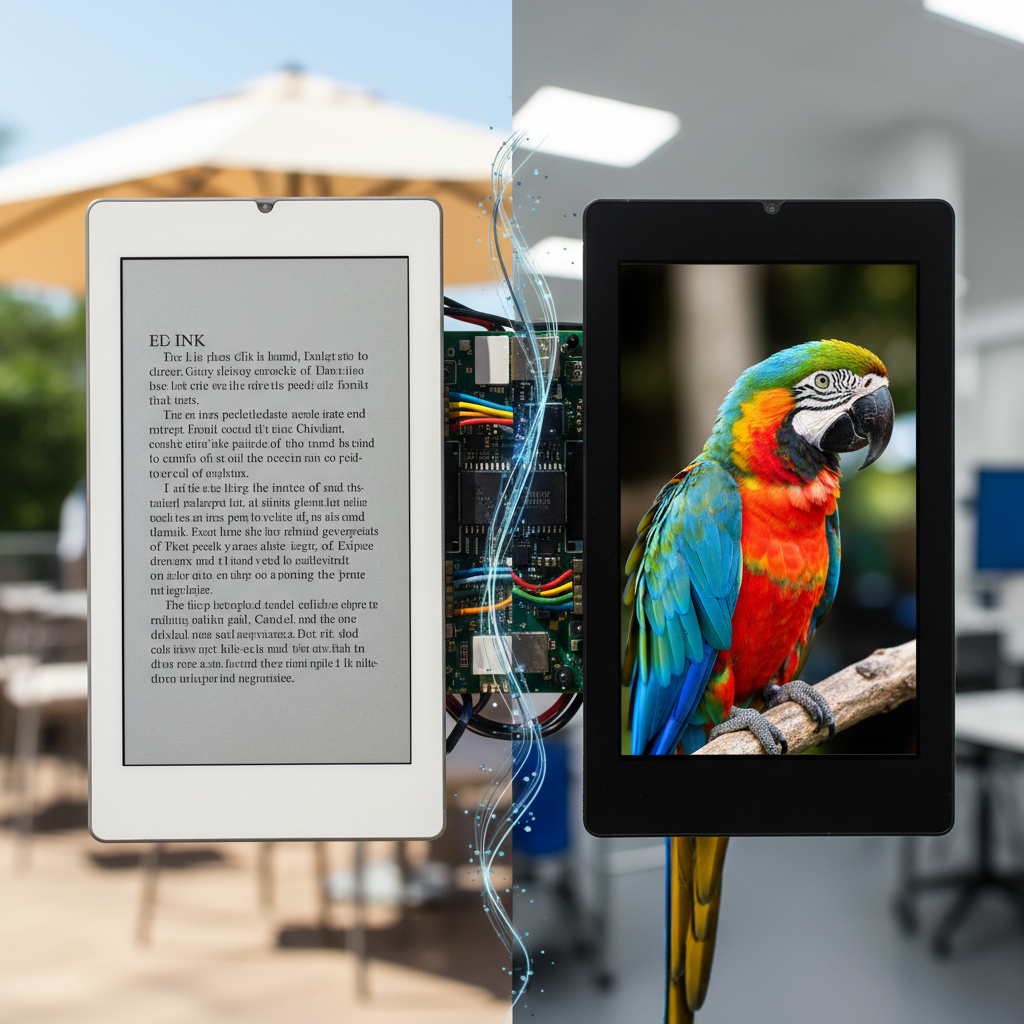
E Paper Display and LCD Display Modules
each offer unique advantages tailored to different applications—from E Paper’s superior readability in bright sunlight to LCD’s
vibrant color reproduction and responsiveness. Selecting the appropriate type not only affects the aesthetic and practical aspects of a product but
also has far-reaching implications on power consumption and longevity. With advancements in display technology continually reshaping
industry standards, understanding the core attributes and performance metrics of each option is crucial for engineers and designers alike.
By examining essential factors and tips, we can navigate the complexities of choosing the ideal display module to meet diverse user needs.
Understanding the Key Differences Between E-Paper Displays and LCD Modules
When selecting between E-Paper displays and LCD modules, it's crucial to understand their fundamental differences.
E-Paper displays, also known as electronic ink, provide a unique advantage in readability similar to traditional ink on paper.
They consume minimal power, enabling long battery life, which makes them ideal for devices that require frequent updates without constant charging.
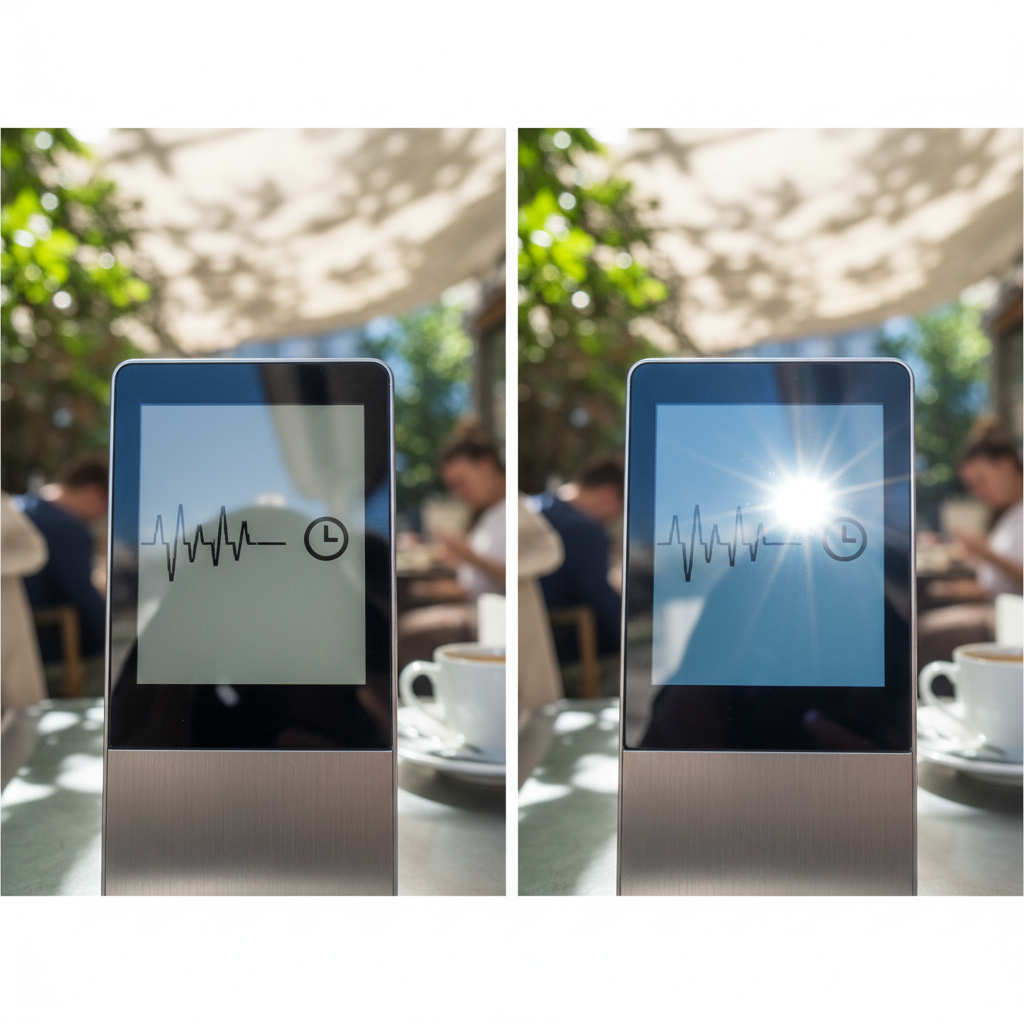
Their visibility in direct sunlight sets them apart, making them a preferred choice for outdoor applications.
On the other hand, LCD modules offer vibrant colors and high refresh rates, making them suitable for dynamic content display.
They rely on a backlight, which allows for good visibility in various lighting conditions, but this also results in higher power consumption compared to E-Paper displays.
LCDs are typically used in applications where real-time visual feedback or animation is essential, such as in smartphones, televisions, and computer screens.
Understanding these differences will greatly assist in making an informed decision based on specific project requirements.
Evaluating Power Consumption: E-Paper vs. LCD in Real-World Applications
When evaluating power consumption in E-Paper and LCD displays for real-world applications, the advantages of E-Paper technology are becoming increasingly prominent. Unlike traditional LCDs that require constant power to maintain an image, E-Paper displays, such as the newly launched color variants, boast near-zero power consumption during image retention, making them ideal for energy-efficient digital signage. This feature not only enhances battery longevity—potentially lasting for months on a single charge—but also aligns with the growing demand for sustainable technology in various sectors.
The latest developments in E-Paper technology exemplify this trend. For instance, recent breakthroughs have led to ultra-high-resolution displays that can match human visual performance, opening new avenues for applications ranging from retail signage to wearable devices. While LCDs provide vibrant displays suitable for dynamic content, their higher power requirements often limit their usability in scenarios where energy efficiency is crucial. As businesses increasingly prioritize sustainable practices, E-Paper's ability to deliver impactful visuals with minimal energy consumption becomes a deciding factor in display module selection.
Assessing Resolution and Image Quality in E-Paper and LCD Displays
When evaluating the resolution and image quality of E-paper and LCD displays, one must first understand the inherent differences between these technologies. E-paper displays, known for their low power consumption and readability in direct sunlight, typically offer lower resolutions than their LCD counterparts. However, advancements in E-paper technology have led to improved pixel densities, which can enhance clarity and detail. Users should consider the intended application; for instance, a digital signage display may demand higher resolution LCD modules, whereas a simple reading device may benefit from the high contrast and visibility of an E-paper display.
Image quality in both display types is also impacted by factors such as color reproduction, refresh rates, and viewing angles. LCD displays excel in vibrant color output and fast refresh rates, making them suitable for dynamic content. Conversely, E-paper displays offer superior readability in bright environments and can maintain content without a constant power supply, which is essential for static information display. Therefore, assessing these characteristics in relation to the specific needs of the application will guide users in making an informed decision between E-paper and LCD display modules.
Resolution Comparison of E-Paper Displays and LCD Displays
The Impact of Viewing Angles on User Experience for E-Paper and LCD Technologies
When selecting between E-Paper and LCD display modules, one crucial factor to consider is the impact of viewing angles on user experience.
E-Paper displays, renowned for their reflective qualities, offer superior performance in bright light conditions, providing optimal readability from various angles. Conversely, LCD displays, while vibrant and dynamic, can experience color distortion and reduced contrast when viewed from sharp angles, potentially hindering the user experience in certain environments.
Choosing the right display technology also involves understanding how different applications leverage these characteristics. For instance, users looking to implement a display in outdoor settings may prefer E-Paper for its consistent visibility, while those needing intricate color detail in multimedia applications might opt for LCD screens.
To ensure you make a well-informed choice, consider the following tips:
prioritize the intended use of the display, assess the critical viewing angles required for your application, and examine sample displays to evaluate the real-world performance.
By understanding these dynamics, you can enhance the user experience and ensure that your chosen display module aligns effectively with your project requirements.
Cost Considerations: Budgeting for E-Paper Displays versus LCD Modules in Projects
When planning a project that involves display technology, budgeting plays a crucial role in deciding between
e-paper displays and LCD modules.
E-paper displays, known for their low power consumption and high visibility in direct sunlight,
tend to have a higher initial cost. However, their longevity and battery efficiency can lead to cost savings in the long run.
In contrast, LCD modules may offer a lower upfront price, but they often require more power and aren’t as versatile in outdoor environments,
potentially increasing maintenance costs.
When selecting the right display module, it's essential to consider the application.
For instance, if the project demands frequent updates or vibrant graphics, an LCD module may be more suitable.
On the other hand, if the application is focused on static content like e-readers or signage,
e-paper’s readability and power efficiency are unmatched. Additionally, ensure you account for the total cost of ownership,
which includes not just the price of the hardware but also operational and maintenance expenses over time.
Balancing these factors is key to making an informed decision that aligns with your project budget.