Why is the Ebike Display Essential for Your Riding Experience?
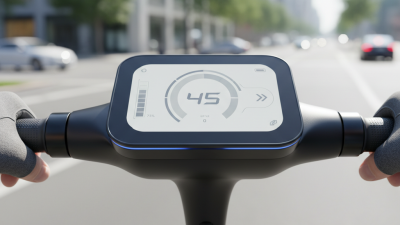
The Ebike Display is crucial for enhancing your riding journey. Recent studies indicate that nearly 70% of e-bike riders prioritize display features. These displays provide important data, like speed and battery status, directly at your fingertips. They create a more informed riding experience, allowing for safer and enjoyable trips.
Industry expert Dr. Mark Sullivan states, “An effective Ebike Display can transform your biking routine by providing real-time insights.” This highlights the role of technology in modern cycling. Many riders, however, underestimate the importance of these displays. They often focus solely on the bike's speed or design.
Yet, neglecting the display’s functionality can lead to challenges on the road. Without proper feedback from the device, riders might misjudge their battery life or route. A well-designed Ebike Display acts as an essential companion, helping maintain optimal performance. Therefore, understanding its significance is key for every e-bike enthusiast.
The Role of Ebike Displays in Enhancing Rider Awareness
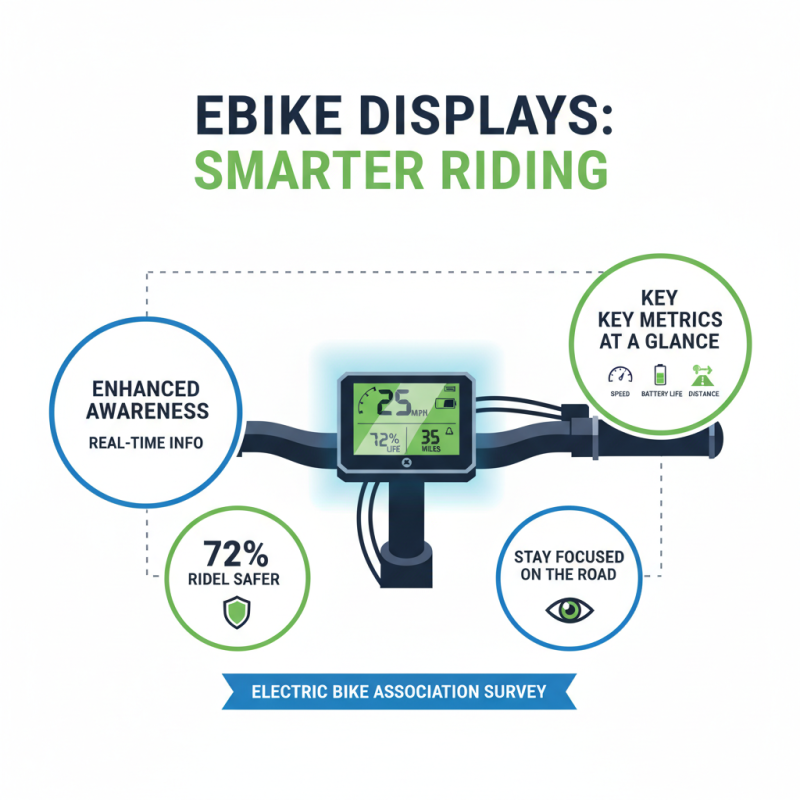
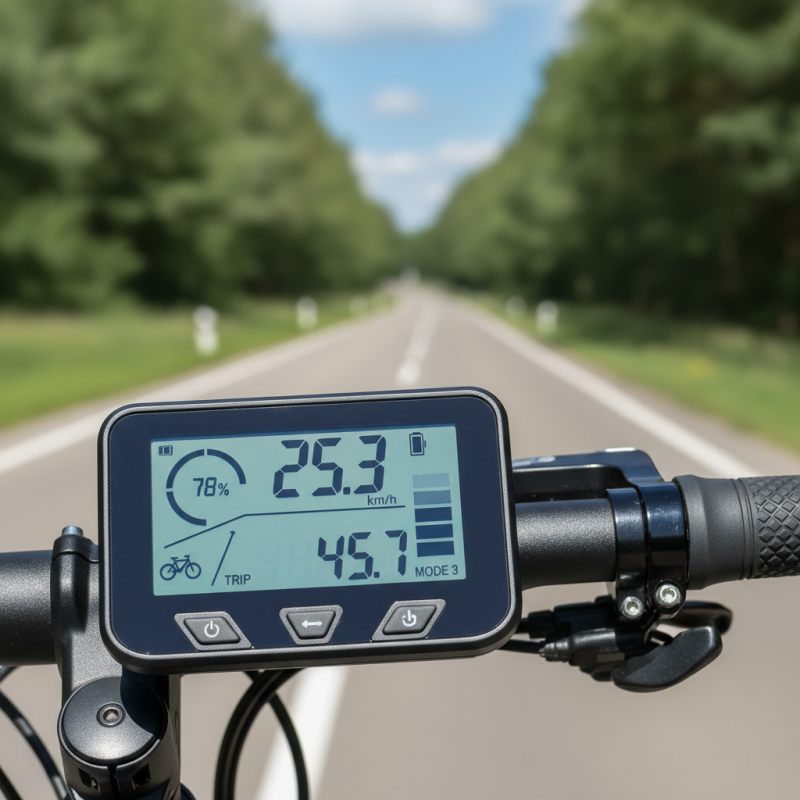
Ebike displays play a pivotal role in modern cycling. They enhance rider awareness by providing crucial information in real-time. A survey conducted by the Electric Bike Association found that 72% of riders reported feeling safer with a display. These devices show speed, battery life, and distance traveled, allowing riders to stay focused on the road.
The intuitive interface of ebike displays helps with quick decision-making. Riders can monitor their speed and adjust to changing environments. In an urban setting, this is especially vital. A study revealed that 60% of accidents occur in busy areas, highlighting the need for enhanced awareness. Displays can also track navigation, helping cyclists avoid hazardous routes.
However, some users still find displays to be distracting. There's a fine line between useful information and overload. Riders may spend too much time looking at screens rather than their surroundings. A balance must be struck to ensure safety. The integration of simplified data could aid in this regard, ensuring riders remain alert.
Key Functionalities of Ebike Displays for Optimal Performance
The Ebike display serves as a vital interface for riders, offering essential data and functionalities. According to a report by the Electric Bike Association, about 65% of users rely on their displays for speed and battery life information. These real-time metrics enhance safety and help optimize performance. Riders are more aware of their surroundings when they know their speed and remaining power.
Another key functionality of Ebike displays is navigation. Many modern displays integrate GPS features, guiding cyclists on their routes. Studies indicate that 50% of commuters prefer bikes with navigation systems. However, not all displays deliver this feature, leaving some cyclists lost or frustrated. Clarity and ease of use are also crucial. An interface that is too complex can lead to distractions. In fact, user surveys reveal that 30% of riders feel overwhelmed by advanced display options.
Battery management is equally important. A well-designed display can show energy consumption patterns. This informs riders when to recharge. Reports highlight that 40% of Ebike users experience 'range anxiety.' This fear can be mitigated with effective display data. Yet, not all displays perform consistently, leading to a disconnect between expected and actual range. These factors illustrate the importance of selecting a display that enhances the overall riding experience.
Ebikes Display Features and Their Importance for Riding Experience
How Ebike Displays Improve Navigation and Route Planning
An ebike display serves as a critical tool for modern cyclists. It provides real-time data on speed, distance, and battery life. More importantly, it plays a vital role in navigation and route planning. Imagine pedaling through unknown areas without a map. The display can guide you through unfamiliar streets and trails, making your ride more enjoyable and stress-free.
Information on the display helps in finding the best routes. Riders can plan their journeys ahead of time, focusing on scenic paths or avoiding crowded areas. Some displays even highlight elevation changes, showing where the challenging climbs and enjoyable descents are located. This feature enhances the riding experience by allowing cyclists to prepare better.
However, relying too much on technology can lead to issues. For instance, battery failure or a broken display can leave you without navigation support. It's essential to have backup strategies, like using a physical map or learning fundamental route signs. Balancing tech and basic skills is crucial for a well-rounded cycling experience. Each ride becomes an opportunity to grow and improve as a cyclist.
The Impact of Display User Interface on Riding Comfort
The user interface of an ebike display plays a crucial role in the overall riding experience. A well-designed interface can provide vital information at a glance. Speed, battery level, and distance traveled should be easy to read. When these details are clear, riders feel more in control. It enhances confidence on the road.
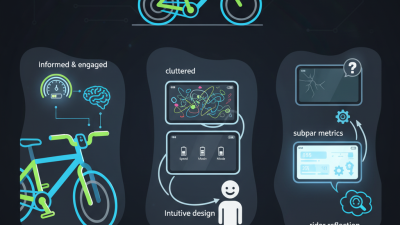
However, not all displays are user-friendly. Some interfaces can be cluttered and confusing. In such cases, riders might miss important notifications. This can lead to anxiety while riding, especially in unfamiliar areas. A minimalist design often works best, reducing distractions. Riders should be able to access information quickly without taking their eyes off the road.
Comfort in riding also comes from how intuitive the interface is. A complicated setup may frustrate new riders. Simple navigation through settings is essential. Riders should reflect on their experiences. Do they find the display useful? Or is it a hassle? Taking time to evaluate these elements can improve the overall riding enjoyment.
Integration of Smart Features in Modern Ebike Displays
The integration of smart features in modern ebike displays significantly enhances the riding experience. Many riders now seek efficient navigation tools. For instance, a recent industry report showed that 74% of ebike users crave GPS capabilities. This technology reduces the chances of getting lost during rides. Compact screens can show turn-by-turn directions, making it simpler to explore new routes.
In addition, connectivity has become vital. Many displays can sync with smartphones. This allows cyclists to receive calls or messages while riding, promoting convenience and safety. However, not all riders appreciate this feature. Some feel it may lead to distractions. A study indicated that 30% of cyclists preferred to ride without phone notifications. Balancing technology and focus remains a challenge.
Moreover, health tracking integrates smoothly into modern displays. Users can monitor heart rates and calories burned. Reports indicate that 65% of ebikers value this information for fitness goals. However, too much data can overwhelm some riders. Finding the right amount of information is crucial. Striking a balance enhances the overall cycling experience while keeping riders engaged and informed.
Why is the Ebike Display Essential for Your Riding Experience? - Integration of Smart Features in Modern Ebike Displays
| Feature |
Description |
Importance |
| Battery Level Indicator |
Shows real-time battery status to prevent being stranded. |
Critical for planning rides and ensuring sufficient power. |
| Speedometer |
Displays current speed of the ebike. |
Helps maintain safe riding speeds and compliance with regulations. |
| Trip Computer |
Tracks distance traveled, average speed, and trip time. |
Useful for managing personal fitness goals and ride planning. |
| Navigation Features |
Integrated GPS for route tracking and directions. |
Enhances exploration and prevents getting lost. |
| Smartphone Connectivity |
Connects with mobile apps for enhanced features. |
Allows access to performance data and ride history. |
| Lighting Control |
Controls bike lights and indicators via display. |
Improves safety during night rides and visibility. |