How to Display Industrial Equipment Effectively in Your Workspace?
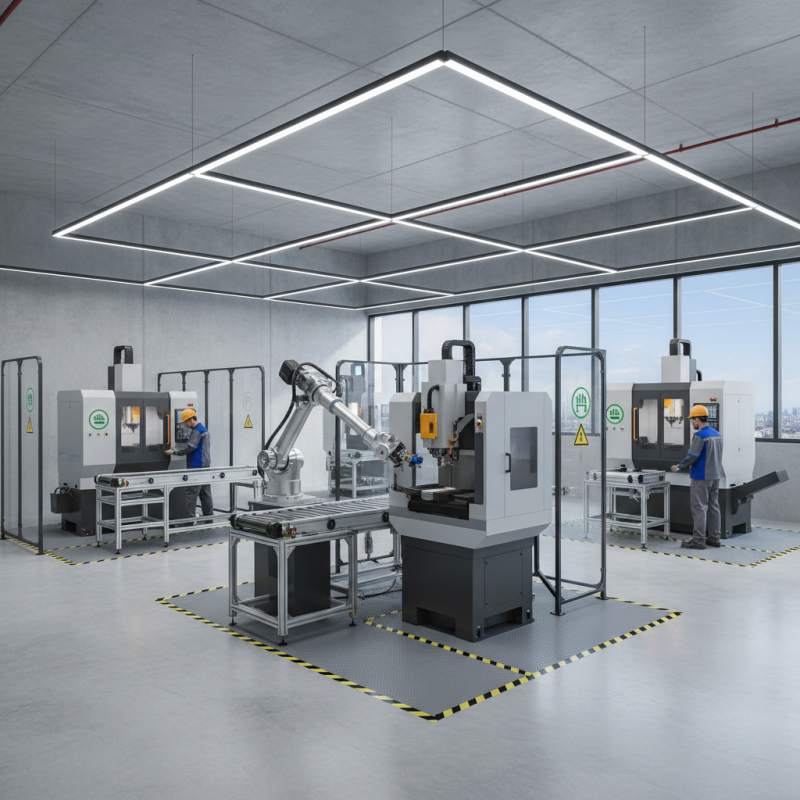
In today's competitive industrial landscape, the way you display industrial equipment matters. Effective display can enhance visibility and accessibility. It promotes safety and efficiency in the workspace. A well-organized display can make a significant difference in daily operations.
Consider the layout of your workspace. Are machines easily visible? Do they encourage safe interaction? An effective display should not only showcase the equipment but also facilitate its use. Proper signage and labeling also play a role. They guide employees in recognizing tools and equipment quickly.
However, mere aesthetics isn't enough. Reflect on how past designs may have failed. Perhaps some displays were cluttered, confusing, or even dangerous. It's crucial to continuously evaluate and adapt your display strategies. This approach ensures that your workspace remains functional while displaying industrial equipment effectively.
Understanding the Importance of Effective Equipment Display in Industry
Displaying industrial equipment effectively is crucial for enhancing productivity. An organized workspace can streamline operations and improve safety. Cluttered spaces often lead to inefficiencies. When equipment is neatly arranged, workers can locate tools quickly, reducing downtime. An effective display highlights essential items, making them easily accessible.
Understanding the importance of equipment display involves recognizing its role in workplace morale. A well-presented environment can uplift the team’s spirit. It promotes pride in one's work area. However, not all displays work for every setting. Some may overlook ergonomic factors, which can lead to discomfort and strain. Regular evaluations of the display layout are necessary.
Furthermore, effective display should incorporate flexibility. Industrial environments evolve, and so do the needs of workers. Rigid setups may become outdated, impairing functionality. It’s essential to solicit feedback from staff. They know best what works and what doesn’t. Continuous improvement in how equipment is displayed can foster a culture of collaboration and efficiency.
How to Display Industrial Equipment Effectively in Your Workspace? - Understanding the Importance of Effective Equipment Display in Industry
| Equipment Type |
Display Method |
Benefits |
Safety Considerations |
| Cranes |
Visible Placement in Workshops |
Easy access and observation for efficiency |
Regular inspections and clear signage |
| Forklifts |
Dedicated Loading/Unloading Zones |
Enhanced workflow and reduced accidents |
Training for operators and visible pathways |
| Compressors |
Centralized Location with Visibility |
Streamlined maintenance and operation |
Ventilation and noise regulations |
| Generators |
Display Near Power Hubs |
Quick access during outages |
Proper storage of fuels and fumes |
| Welding Machines |
Designated Welding Zones |
Focused work environment to enhance safety |
Fire safety measures and protective gear |
Assessing Your Workspace: Space, Accessibility, and Safety Considerations
When assessing your workspace for industrial equipment, space configuration is crucial. Many facilities report that inefficient layouts can waste up to 30% of operational efficiency. A well-thought-out arrangement of machines and tools promotes workflow and reduces congestion. It’s important to conduct a detailed analysis of the available space. This includes measuring equipment dimensions and ensuring adequate clearance for safe operation.
Accessibility is another key factor. Research indicates that poor accessibility can lead to increased downtime. Equipment should be within reach and easy to operate. Aisles should be wide enough to allow movement of personnel and materials, typically recommended to be at least 36 inches apart. Additionally, it is essential to factor in the location of exits and emergency equipment, ensuring they are not obstructed.
Safety considerations cannot be overlooked. The Occupational Safety and Health Administration (OSHA) states that more than 4 million workplace injuries occur annually, often due to unsafe environments. Regularly assess safety equipment in your workspace. Ensure that all machinery complies with relevant safety standards and that employees receive proper training. Reflect on how a minor adjustment today can enhance safety and efficiency in the long run.
Choosing Appropriate Display Solutions for Industrial Equipment
When displaying industrial equipment, the choice of display solutions is crucial for effectiveness. According to the International Society of Automation, around 70% of workplace accidents result from improper equipment handling. This emphasizes the need for clear and accessible display solutions. Visual aids such as diagrams and labels can enhance understanding and safety. It is vital for workers to easily identify tools and equipment in any workspace.
Digital displays are becoming increasingly popular. A report by MarketsandMarkets indicates that the industrial display market is expected to grow at a CAGR of 4.7% from 2020 to 2025. These displays can showcase operational data in real-time. They reduce the risk of human error by providing immediate feedback on equipment conditions. However, fatigue from screen glare can be a concern. It’s important to position these displays at eye level to mitigate discomfort.
Physical display solutions also play a crucial role. Using shadow boards can help organize tools visually. Research shows that 50% of workers waste time searching for equipment due to poor visibility. Regularly reviewing and updating display setups is necessary. Periodic assessments can highlight gaps and areas for improvement, which is often overlooked. Adjustments can significantly enhance operational efficiency, making it a vital aspect of workspace management.
Incorporating Visual Management Techniques for Equipment Organization
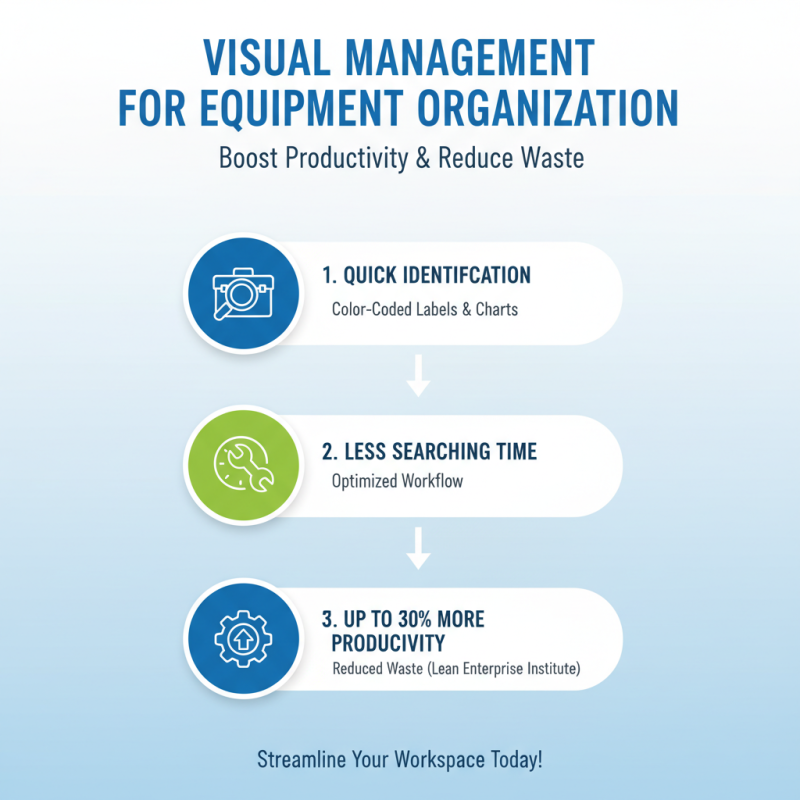
Incorporating visual management techniques in your workspace can dramatically enhance equipment organization. A study by the Lean Enterprise Institute notes that effective visual management reduces waste and increases productivity by up to 30%. Clear visuals, such as color-coded labels and charts, can help workers quickly identify tools and equipment. They spend less time searching, which optimizes workflow.
Using visual aids, you can create a standardized layout for industrial equipment. This setup allows employees to recognize if equipment is out of place or not functioning. For example, a shadow board for tools visually implies their designated spots. When every tool has a place, employees can maintain cleanliness and organization easily. This method is backed by a 2021 report from the International Journal of Industrial Engineering, emphasizing that clear visuals contribute to a 25% decrease in errors.
However, embracing visual management takes thoughtful implementation. Some teams may find it challenging to adapt to new systems. Initial resistance might occur, and staff may revert to old habits. Continuous training and reinforcement are essential in these cases. Regular feedback sessions can help identify areas for improvement, ensuring the visual management techniques evolve with your team's needs.
Regular Maintenance and Updates for Displayed Industrial Equipment
Regular maintenance and updates are crucial for effectively displaying industrial equipment. Regular checks improve reliability and showcase your commitment to quality. According to a report by the American Society of Mechanical Engineers (ASME), properly maintained equipment can reduce operating costs by up to 20%. This is not just about functionality; it's about appearance and professionalism too.
Maintenance tasks should include visual inspections, cleaning, and ensuring all labels are current. Equipment that looks neglected sends the wrong message. It’s also essential to keep digital displays updated with the latest features and specs. An outdated display could mislead potential clients. Industry data shows that 75% of customers are more likely to engage with well-maintained equipment.
Tips: Schedule maintenance regularly. Set reminders for visual checks every month. Consider using a checklist to ensure no aspect is overlooked.
Additionally, replace old parts with updated technology to enhance visual appeal. This step not only keeps your equipment operational but also signals innovation. Refining how equipment is displayed can boost customer interest. Remember, first impressions matter in any business environment.
Industrial Equipment Display Maintenance and Updates