How to Choose the Best Tft Color Monitor for Your Needs
In the evolving landscape of display technology, choosing the right TFT color monitor for your needs can be a daunting task, especially with the plethora of options available in the market today. According to a recent report by the International Display Research Institute, the TFT color monitor segment is projected to reach a market value of $25 billion by 2025, driven by advancements in liquid crystal display technology and increased demand across various sectors, including gaming, graphic design, and corporate environments. With such significant growth, understanding the key features and specifications of TFT color monitors has never been more crucial.
Industry expert Dr. Emily Huang, a leading authority on display technology, asserts, "Selecting the appropriate TFT color monitor is not just about resolution; it encompasses color accuracy, refresh rates, and user-specific functionalities that can significantly enhance productivity and viewing experience." This statement underscores the importance of comprehensive evaluation criteria in the selection process, as differing user requirements can drastically influence the best choice for individual needs. As we delve deeper into the topic, we'll explore essential factors to consider when selecting a TFT color monitor, ensuring you make an informed decision that aligns with your particular usage scenarios.
Understanding Different Types of TFT Color Monitors Available in 2025
In 2025, the market for TFT color monitors is diverse, presenting a variety of options tailored to different user needs. Understanding the types available can significantly enhance your purchasing decision. Generally, TFT (Thin Film Transistor) monitors come in several categories, including standard, wide viewing angle, and high-brightness monitors. Each type has its unique features; for instance, wide viewing angle monitors offer consistent color representation from multiple angles, making them ideal for collaborative workspaces or multimedia presentations.
As the global TFT LCD panel market is expected to grow from approximately $144.42 billion in 2024 to $220.23 billion by 2033, with a compound annual growth rate (CAGR) of about 4.8%, it's crucial for consumers to recognize the advancements in technology that are driving this growth. Monitors are increasingly integrated with innovative features such as higher resolutions, enhanced color accuracy, and improved energy efficiency. When selecting a TFT color monitor, consider your specific needs—be it gaming, graphic design, or everyday office tasks—to ensure you choose the right type that not only meets your functional requirements but also adapts to the trends shaping the market.
Key Specifications to Consider When Choosing a TFT Color Monitor
When selecting a TFT color monitor, there are several key specifications that you should consider to ensure the best match for your needs. Firstly, the screen size and resolution significantly affect your viewing experience. A larger screen size provides more workspace and immersive visuals, while higher resolution (such as Full HD or 4K) contributes to clearer images and more detail, making it essential for tasks like graphic design or gaming.
Another crucial specification is the panel type. TFT monitors come in various types including TN, IPS, and VA, each with its own advantages. TN panels are generally faster with response times, making them suitable for gaming, but they often have poorer color accuracy and viewing angles. In contrast, IPS panels offer superior color reproduction and wider viewing angles, ideal for creative work. Additionally, consider the refresh rate and contrast ratio, as a higher refresh rate produces smoother motion for gaming, while a higher contrast ratio enhances depth and vibrancy in visuals. By focusing on these specifications, you can select a TFT color monitor that perfectly aligns with your requirements.
How to Choose the Best TFT Color Monitor for Your Needs
| Specifications |
Description |
| Screen Size |
Typically ranges from 15 to 27 inches |
| Resolution |
Common options include 1920x1080 (Full HD), 2560x1440 (QHD), and 3840x2160 (4K) |
| Panel Type |
IPS offers better color accuracy and viewing angles, TN is more affordable but has poorer colors |
| Refresh Rate |
Standard refresh rates include 60Hz, 120Hz, and 144Hz, affecting motion clarity |
| Brightness |
Measured in nits, typically from 250 to 400 nits for general use |
| Response Time |
Faster response times (1ms to 5ms) help reduce motion blur in gaming |
| Connectivity Options |
Look for HDMI, DisplayPort, and USB ports to ensure compatibility |
| Color Gamut |
A wider color gamut (sRGB, Adobe RGB) allows for more vibrant color reproductions |
| Ergonomics |
Height adjustment, tilting, and swivel options improve comfort during use |
Evaluating Color Accuracy and Display Performance in TFT Monitors
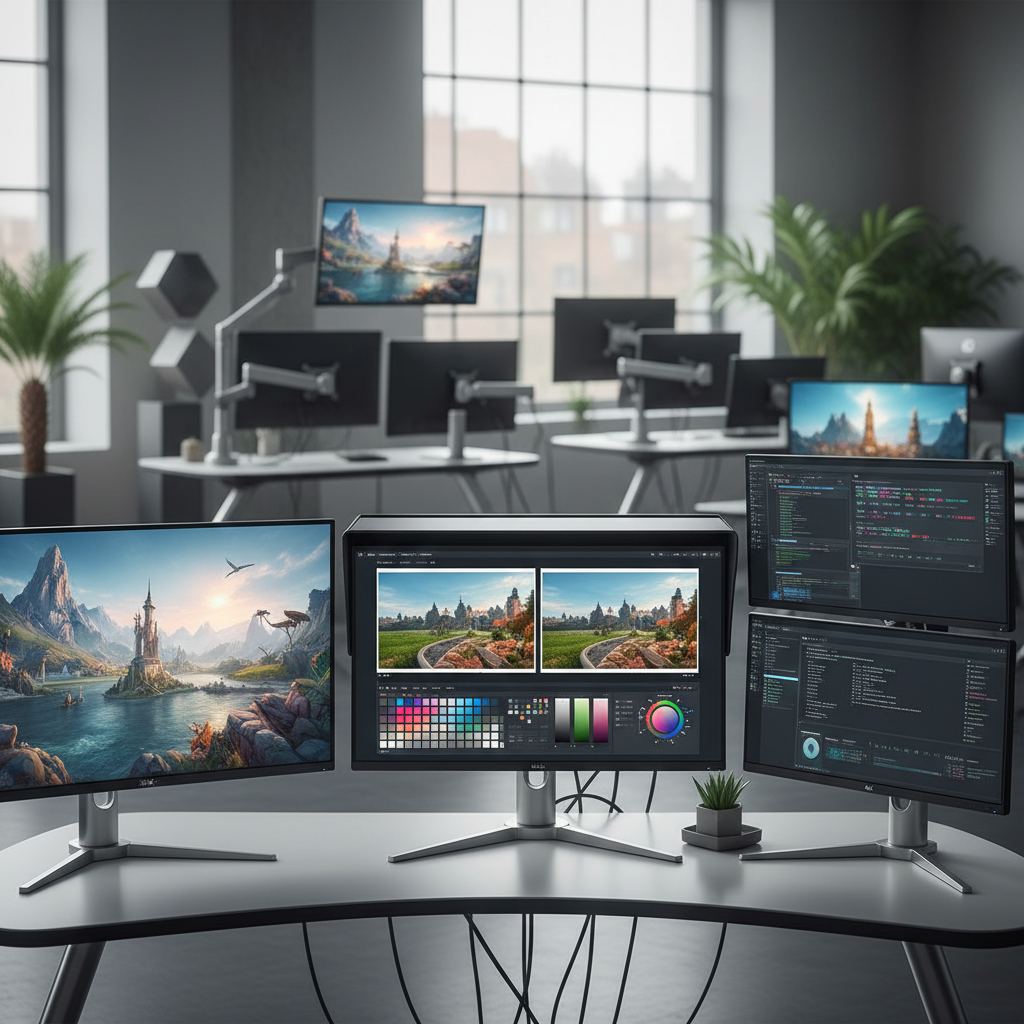
When selecting a TFT color monitor, evaluating color accuracy is paramount for professionals in graphic design, photography, and gaming. Color accuracy refers to how faithfully a monitor can reproduce colors as intended. Look for monitors with wide color gamut coverage, such as those supporting sRGB, Adobe RGB, or DCI-P3. Calibration tools and reviews can provide insights into a monitor's ability to display colors accurately, ensuring that your work reflects true-to-life imagery.
Display performance also plays a crucial role in your choice of TFT monitor. Factors such as resolution, refresh rate, and response time directly impact the viewing experience. Higher resolutions offer more detail, while higher refresh rates contribute to smoother motion, essential for gaming and video editing. Additionally, technologies like IPS (In-Plane Switching) improve viewing angles and contrast ratios, enhancing overall performance. When assessing display performance, consider how these elements align with your specific needs, whether for professional use or casual enjoyment.
Assessing Ergonomics and Design Features for Comfort and Usability
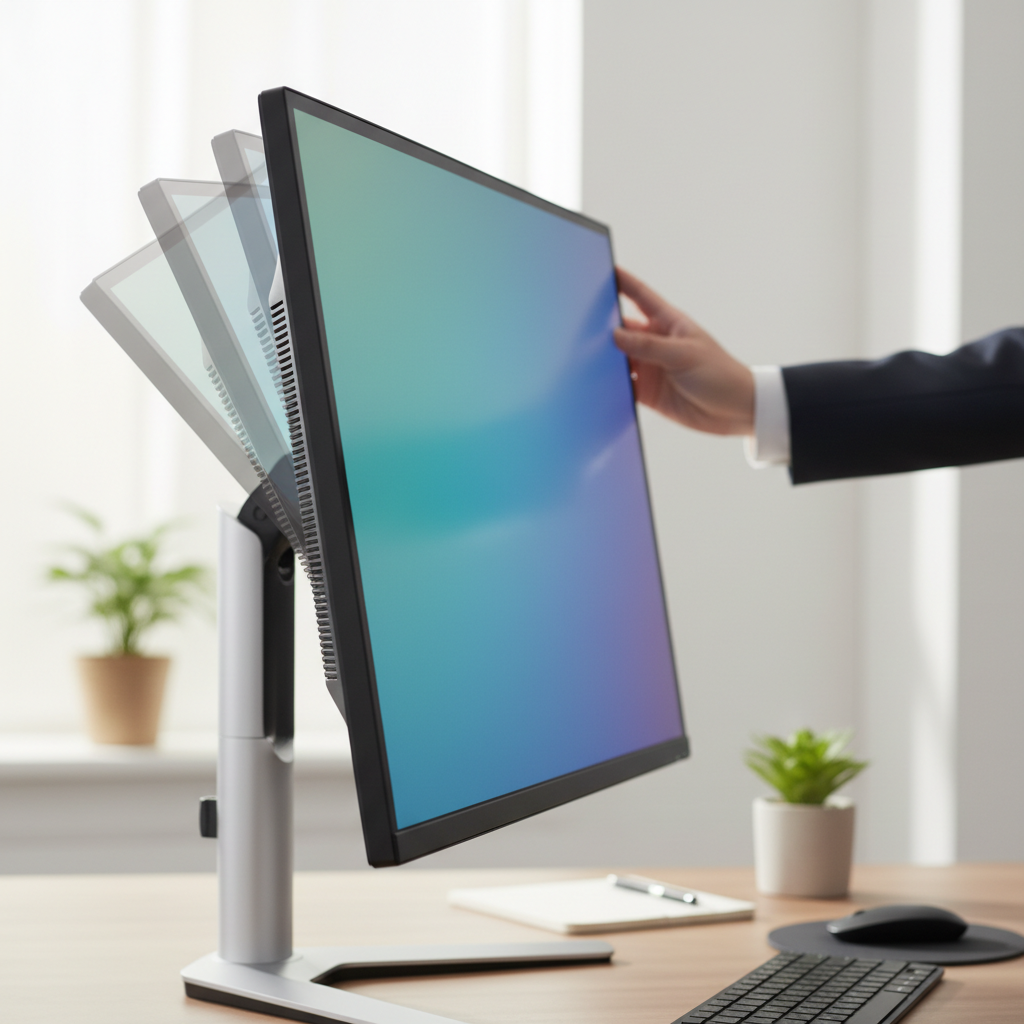
When selecting a TFT color monitor, ergonomics and design features play a crucial role in ensuring comfort and usability. First and foremost, consider the monitor's adjustability. A screen that allows for height, tilt, and swivel adjustments can significantly enhance viewing comfort, reducing neck and eye strain during prolonged use. Look for monitors that offer a wide range of motion, as this flexibility helps to create an ergonomic workspace tailored to individual preferences.
Additionally, the design of the monitor itself impacts usability. Thin bezels provide a more modern aesthetic and can also make multi-monitor setups more cohesive. Furthermore, features like anti-glare screens and blue light filters contribute to a more pleasant viewing experience, especially in varied lighting conditions. The overall weight and build quality of the monitor are also important; a stable, well-constructed monitor will not only last longer but will also ensure that it remains securely in place during use, contributing to a safer workspace.
Comparing Prices and Brands: Finding the Best Value for Your Budget
When selecting the best TFT color monitor, understanding pricing and brand reputation is crucial for getting the most value for your budget. Begin by researching different brands known for their quality, such as Dell, Samsung, and ASUS. Each of these brands offers a range of models that vary in price, features, and performance. By comparing specifications such as resolution, color accuracy, and response time, you can narrow down choices that meet both your needs and budget constraints.
Once you have identified a few suitable models, compare prices across various retailers, including online platforms and physical stores. Often, prices can vary significantly, especially during sales events. Additionally, consider any available warranties and customer service options that come with the monitor, as these factors can affect long-term satisfaction and value. Checking customer reviews for insights on real-world performance can also guide you towards a well-rounded, cost-effective decision. By thoroughly examining these elements, you can confidently choose a TFT color monitor that aligns perfectly with your requirements and budget.
Comparison of TFT Color Monitor Prices and Features