How to Choose the Best Electric Bike Display for Your Needs?
Choosing the right Electric Bike Display can greatly enhance your riding experience. According to Emily Turner, an expert in the electric bike industry, “The display is your gateway to efficient riding.” This highlights the display's role in navigation and performance tracking.
An effective Electric Bike Display not only shows speed but also battery health and distance traveled. A clear, user-friendly interface can significantly improve your comfort and confidence. However, many riders overlook this critical feature. They might focus only on aesthetics or brand rather than functionality.
Different displays serve varied needs. A commuter might require more data than a recreational rider. Ideally, the selected display should match your specific requirements. Investing time in research can make a difference. Finding the right Electric Bike Display requires understanding your unique riding style and preferences.
Understanding the Different Types of Electric Bike Displays
When selecting an electric bike display, understanding the types available is crucial. Displays usually fall into three categories:
basic, advanced, and smart. Basic displays offer essential information like speed and battery level. They’re typically easy to read and cost-effective.
Advanced displays, however, provide additional metrics, such as trip distance and average speed. For tech-savvy users, smart displays connect to smartphones, allowing users to track performance and navigate using apps.
Tip: Think about your riding habits. If you use your bike mainly for commuting, a basic display will suffice. But if you enjoy longer rides or want to analyze your performance, consider an advanced or smart option.
Not all displays are intuitive. Some may have crowded screens, making data hard to read, especially in bright sunlight. Users often need time to familiarize themselves with controls and settings.
Tip: Test different displays before buying. Visit local bike shops and ask for demonstrations. This hands-on approach ensures you select a user-friendly option that meets your needs.
Remember, comfort with the display enhances overall riding enjoyment.
Key Features to Look for in an Electric Bike Display
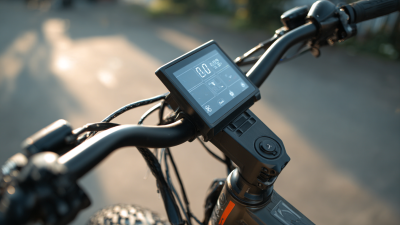
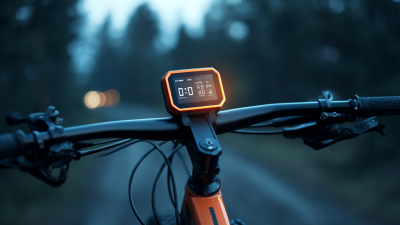
When selecting an electric bike display, several key features are essential. A clear and easy-to-read screen is crucial. Brightness adjustments help visibility in sunlight. Many displays have options for backlighting. This feature makes it easier to see at night.
Consider the type of data displayed. Speed, distance, and battery level are standard. Some displays even show power usage or navigation. These additional metrics enhance your riding experience. It’s beneficial to have customizable settings. This allows you to prioritize the information that matters most to you.
User interface is another important aspect. A well-designed menu can simplify navigation. Touch screens may offer a more modern feel. However, physical buttons provide reliability in wet conditions. Remember, the usability of the display in various weather conditions can impact your ride. Take the time to find a display that suits your preferences and needs.
Evaluating Display Readability and User Interface
When choosing an electric bike display, readability is crucial. You want clear visuals, especially in bright sunlight. Look for screens with anti-glare and high contrast. A display that makes data easy to read at a glance is essential during rides. Large fonts and digital gauges help with quick comprehension.
User interface is equally important. It should be intuitive and user-friendly. Consider button placement and usability while riding. A cluttered screen can overwhelm users. Simplicity often leads to better interactions. Familiarize yourself with the navigation before purchasing. Some displays may seem functional but can cause frustration if they require multiple steps for basic tasks. Testing these features can reveal imperfections and areas for improvement.
How to Choose the Best Electric Bike Display for Your Needs? - Evaluating Display Readability and User Interface
| Display Type |
Screen Size |
Readability in Sunlight |
User Interface Type |
Additional Features |
| LCD |
3.5 inches |
Moderate |
Touchscreen |
Bluetooth Connectivity |
| LED |
2.5 inches |
High |
Button Interface |
Battery Level Indicator |
| TFT |
4.0 inches |
Excellent |
Multifunction |
GPS Navigation |
| OLED |
3.0 inches |
Very High |
Swipe Interface |
Smartphone Integration |
Compatibility: Ensuring Your Display Fits Your E-Bike System
When selecting an electric bike display, compatibility stands out as a critical factor. A good display must integrate seamlessly with your e-bike system. Otherwise, you may face functionality issues. Compatibility involves understanding the communication protocols and power requirements of your e-bike's motor and battery. Using mismatched components can lead to inaccurate data or even damage.
Check if the display connects through a wire harness or relies on wireless technologies. Examine the display's features, such as speed tracking and battery life indicators. Make sure these features align with what your e-bike supports. Sometimes, specifications can be vague. You might find that certain displays only work with specific motors or battery types. This complexity necessitates careful research.
Consult e-bike forums for user experiences. Seek insights from fellow riders who may have faced similar challenges. Their reflections can reveal valuable details about compatibility. Not all displays are created equal—some may seem appealing but ultimately fail to deliver on performance. Grasping these nuances in compatibility ensures that your choice enhances your riding experience rather than detracts from it.
Budget Considerations: Finding a Display that Meets Your Needs
When considering the purchase of an electric bike display, budget is a crucial factor. The price range for displays varies significantly based on features and quality. Research indicates that basic models can cost between $50 and $150, while advanced displays may exceed $300. Users often overlook ongoing costs, such as potential upgrades and replacements. This can lead to budget constraints later on.
Additionally, it's vital to assess what you truly need. A high-resolution screen might seem appealing, but is it necessary for your riding experience? Many riders find that basic functions, like speed and battery level, suffice. A report by the Electric Bike Industry Association shows that 40% of riders prioritize functionality over aesthetics. Therefore, focusing on essential features that meet your riding style can guide your budget.
Another aspect requiring reflection is the balance between cost and durability. Cheaper displays might fail quicker, leading to unexpected expenses. Investing in a reliable display may initially feel steep but can save money in the long run. Checking user reviews and seeking expert opinions can provide insights. Costs are important, but reliability should not be sacrificed for a lower price.