How to Choose the Best E Cycle Display for Your Needs?
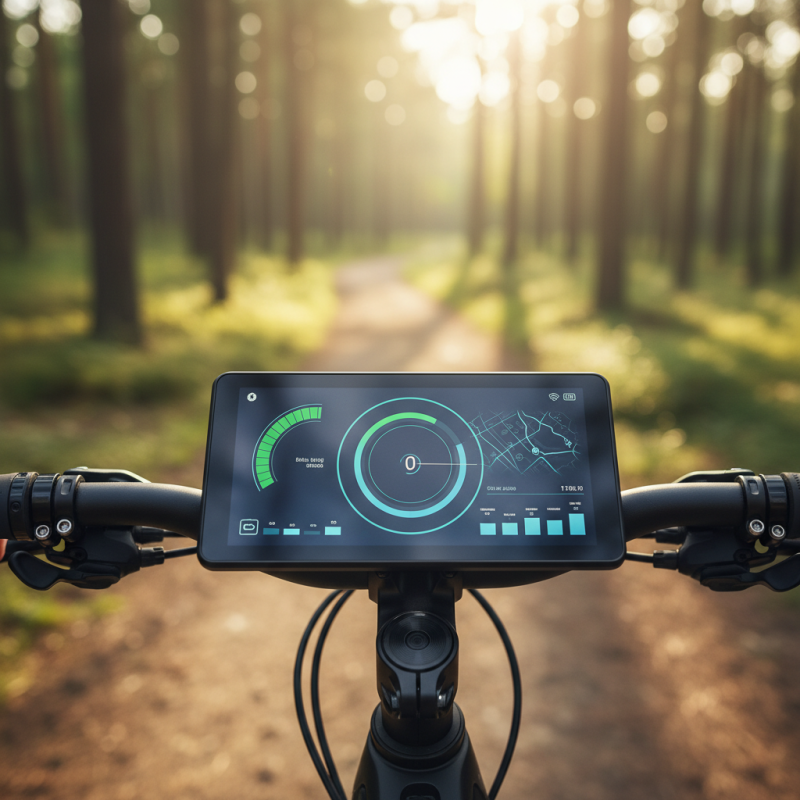
Choosing the best E Cycle Display can significantly enhance your riding experience. As Mike Johnson, an industry expert, once said, "The right display transforms how you interact with your e-bike." This highlights the importance of making an informed choice about your display.
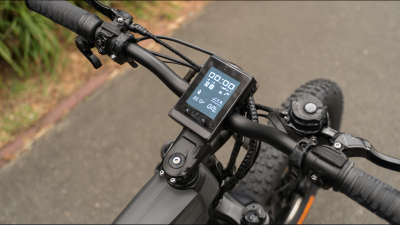
E Cycle Displays vary widely in features, size, and user interface. Some emphasize battery status and speed, while others showcase GPS functionality and ride statistics. It can be overwhelming to select the one that meets your specific needs. Consider what features truly matter to you.
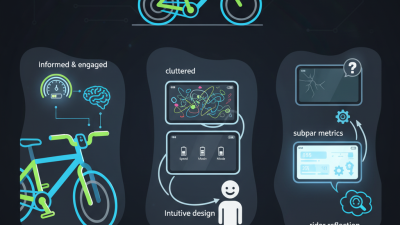
Mistakes in selection can lead to frustration on your rides. For instance, a display too complicated for casual users might hinder their experience. Alternatively, a basic display might lack necessary information for more serious riders. Understanding your requirements is essential in making the best choice for an E Cycle Display.
Understanding Different Types of E Cycle Displays Available
Choosing the right e-cycle display can significantly enhance your riding experience. Various display types exist, each with unique features tailored to different needs. Some displays prioritize simplicity, showcasing only essential information like speed and battery level. Others offer advanced analytics, providing insights into distance traveled, cadence, and even navigation.
LCD displays are popular for their clarity and visibility in various lighting conditions. They typically feature multiple data fields, making it easy to track performance metrics. OLED displays, on the other hand, provide richer colors and deeper contrast. They can be easier to read but may not perform as well in bright sunlight.
Touchscreen displays offer an interactive experience but can sometimes lead to distractions while riding. Although they look modern and sleek, their functionality might not suit every rider’s preferences. Keep in mind factors like size, weight, and mounting options. Not every display will fit your e-cycle perfectly. Remember to reflect on your riding habits and choose a display that enhances rather than complicates your journeys.
Comparison of Different Types of E Cycle Displays
This chart represents the popularity of different types of e-cycle displays based on user preferences. As shown, OLED displays are the most popular, followed by LCD and LED displays. Understanding these types can help you make an informed decision based on your needs.
Key Features to Consider in an E Cycle Display
Choosing the right display for your e-cycle can elevate your riding experience. Here are key features to consider in an e-cycle display.
First, look for clarity. A bright, responsive screen is essential. It should be easy to read under sunlight. Buttons should be intuitive, allowing for quick adjustments while cycling. A well-designed interface makes it easy to access important stats at a glance.
Consider customization options. Many displays offer ways to track specific metrics like speed and distance. You might appreciate features like trip tracking or average speed. Adjustability enhances user experience. It can make your ride more enjoyable and tailored to your preferences.
Don't forget durability. A display needs to withstand various weather conditions. Look for water-resistant or weatherproof specifications. Exposure to elements can hinder performance. Investing in a reliable display ensures you won’t face interruptions during rides.
Tips: Always check for user reviews. Feedback can provide insights into issues or benefits you might not see in specifications. Also, testing displays in-store can help you gauge usability. Comfort with your device is critical.
Evaluating Display Size and Readability for E Cycling
When choosing an e-cycle display, evaluating size and readability is crucial. A display that is too small can strain your eyes while cycling. Comfort matters deeply. Look for screens that are at least four inches wide. This size often balances visibility and portability. The bigger the display, the easier it is to read data without losing focus on the road.
Readability is equally important. Brightness levels play a huge role in different lighting conditions. A display that shines too brightly in daylight may be distracting. Conversely, a dim display can be hard to see at night. Ensure the screen has good contrast, making it legible. Font size shouldn't be too small either. Test various settings, if possible, to find your sweet spot.
Lastly, consider weather resistance. Cyclists face various conditions, from rain to dust. A display that can resist these elements offers peace of mind. You might find some displays lagging in responsiveness during adverse conditions. Reflect on how often you'll ride in different environments. Balancing size, readability, and durability will lead you to a choice that enhances your e-cycling experience.
How to Choose the Best E Cycle Display for Your Needs? - Evaluating Display Size and Readability for E Cycling
| Display Size |
Resolution |
Readability in Sunlight |
Battery Life |
User Interface |
| 3.5 inches |
320 x 240 |
Moderate |
10 hours |
Basic |
| 4.0 inches |
480 x 272 |
Good |
12 hours |
User-friendly |
| 5.0 inches |
800 x 480 |
Excellent |
15 hours |
Intuitive |
| 5.5 inches |
1280 x 720 |
18 hours |
Advanced Features |
Assessing Connectivity Options for E Cycle Displays
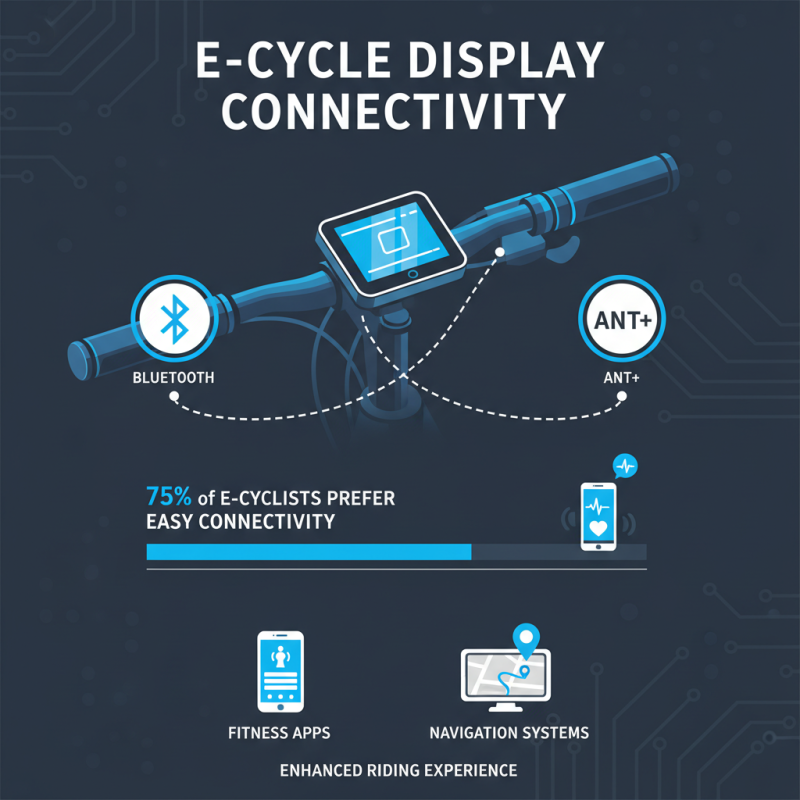
When choosing an e-cycle display, connectivity options play a crucial role. Many displays offer Bluetooth and ANT+ compatibility, allowing seamless communication with various devices. According to recent industry reports, nearly 75% of e-cyclists prefer displays that connect effortlessly to fitness apps or navigation systems. This ease of connectivity enhances the overall riding experience.
A display's ability to pair with smartphones and GPS devices can significantly affect your training metrics. Real-time feedback on speed, distance, and heart rate is essential for monitoring performance. However, not all displays provide reliable connections, leading to frustration. A study revealed that up to 30% of users experience intermittent connectivity issues with low-quality displays, creating doubts about their reliability.
Battery life also influences connectivity. Some displays require frequent recharging, causing inconvenience. A quality display should ideally offer prolonged use without charging interruptions. Choosing a display that balances connectivity with battery efficiency is essential. As reported in recent user surveys, approximately 40% of riders would sacrifice some features for better connectivity and endurance.