How to Choose the Best Black And White Lcd Display for Your Needs?
Choosing the right Black And White LCD Display can be challenging. With so many options available, understanding your specific needs is crucial. Industry expert John Smith, a leading figure in display technology, once said, "The right display transforms the user experience." This statement underscores the importance of making an informed choice.
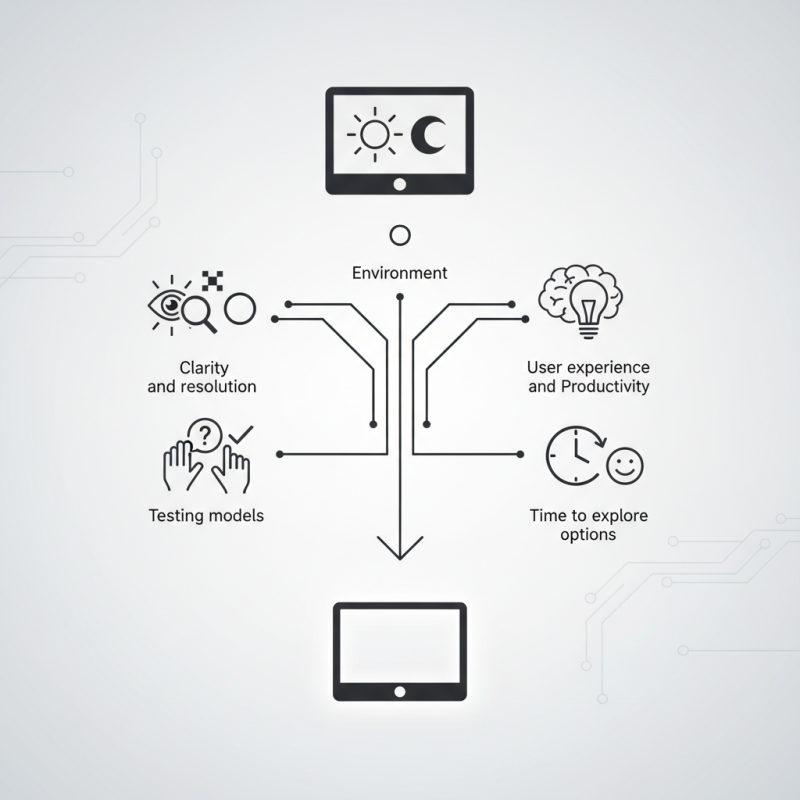
When selecting a Black And White LCD Display, consider clarity and resolution. High contrast can significantly enhance legibility. Poor choices can lead to frustration and inefficiency. Test different models. Feel the difference in quality before purchasing.
Think about the environment as well. Some displays perform poorly under certain lighting conditions. Reflect on where you will use it most. An ideal match enhances productivity and comfort. Yet many users overlook these aspects. Take your time to explore options. In the end, the right Black And White LCD Display could make all the difference in your daily tasks.
Understanding the Basics of Black and White LCD Displays
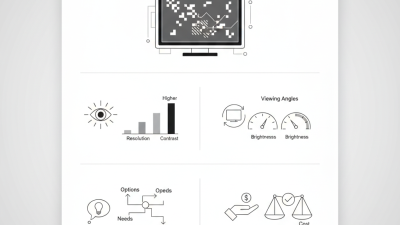
When exploring black and white LCD displays, it's essential to grasp their fundamental features. These displays utilize liquid crystal technology, which allows for varying levels of light transmission. The simplicity of black and white makes them ideal for reading documents or displaying simple graphics. Many users favor them for their energy efficiency and reduced eye strain compared to color screens. Nonetheless, the clarity and contrast depend heavily on the display’s resolution.
Understanding the resolution is crucial. A higher resolution leads to sharper images and clearer text. However, many overlook this and choose based on size alone. The physical size matters too, but it shouldn't overshadow functionality. What good is a large display if the text appears pixelated? Moreover, consider viewing angles. Some LCDs lose visibility when viewed from the side. A display might look great upfront but reveal flaws in real-world use. Each aspect impacts your experience, so weigh them carefully.
It's common to get lost in specifications. Users often prioritize features that seem impressive but won't suit their needs. Reflecting on your intended use is necessary. Think about whether a simple task would benefit from advanced specifications. Finding a balance may take time, and it might feel overwhelming. Still, this discernment leads to better choices.
Key Features to Consider in Black and White LCD Displays
When selecting a black and white LCD display, certain key features stand out. Screen resolution plays a critical role. A higher resolution offers sharper images, which is essential for detailed visual information. Data shows that displays with at least 800x600 pixels provide a clear advantage in readability. This aspect is particularly vital for applications like medical devices, where precision matters.
Another crucial feature is response time. This refers to how quickly the display can change its image. A faster response time minimizes ghosting and blurriness. Industry reports indicate that displays with a response time under 10 milliseconds perform significantly better during rapid image transitions. Users may encounter frustration with slower options, especially in high-speed scenarios.
Finally, consider power consumption. Efficient displays can greatly reduce energy costs. Reports suggest that modern black and white LCDs consume up to 30% less power than older models. This factor is not only eco-friendly but also affects long-term operational costs. An awareness of these features can lead to better choices, reducing regrets in future usage.
Assessing Your Application Needs for Black and White Displays
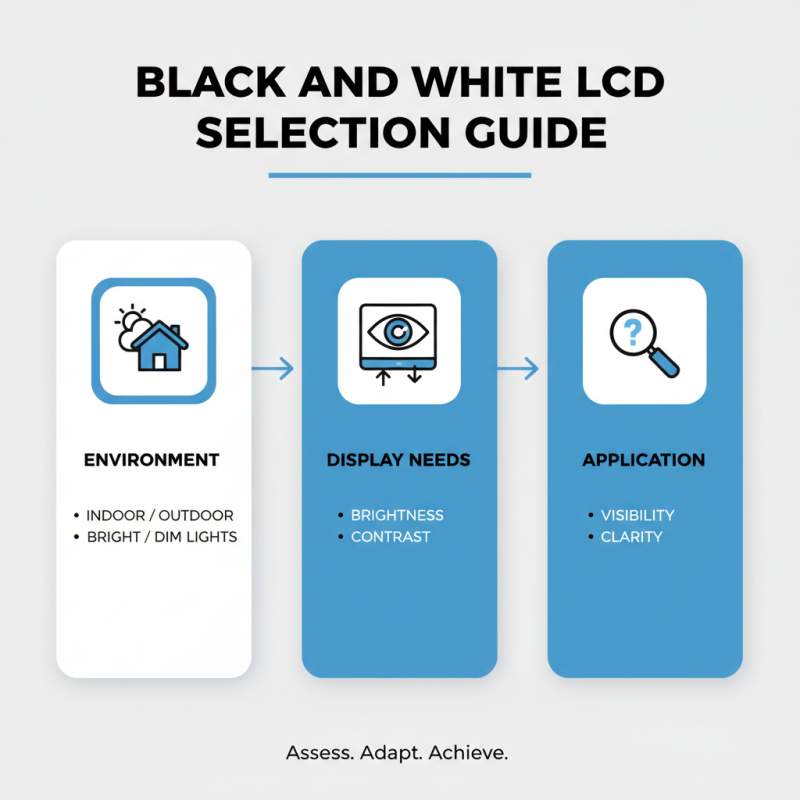
When choosing a black and white LCD display, it's essential to assess your specific application needs. Start by thinking about the environment where the display will be used. Will it be indoors or outdoors? Bright lights or dim settings? These factors influence the display's brightness and contrast requirements. For example, a display in a sunny area needs better visibility. It's crucial to clarify this aspect.
Next, consider the resolution and size. A small screen with low resolution may work for basic applications. However, detailed tasks demand higher resolution and larger screens. Think about the content you will display. Graphics? Text? The clarity of text can be impacted by resolution choices. Many forget to evaluate pixel density before purchasing. This step can affect user experience significantly.
Don't overlook the power consumption and interface options. Some applications require constant uptime, which can be an issue with high energy use. Additionally, ensure that the display can interface with your existing systems. Compatibility is often taken for granted but is vital. Reflect on all these facets before making a decision. It's easy to rush and regret later.
Comparing Different Brands and Models of LCD Displays
When selecting a black and white LCD display, it’s vital to compare various brands and models. A recent industry report indicates that more than 30% of consumers prioritize resolution clarity. Higher dpi (dots per inch) leads to sharper images. Many assume that size solely dictates quality, but pixel density is crucial.
Different models provide varying features. Look for contrast ratios and viewing angles. A report from Tech Insights shows that displays with a 1000:1 contrast ratio are significantly better for low-light environments. Users often overlook refresh rates, which can affect display performance in dynamic applications. A 60Hz display might feel sluggish compared to a 120Hz model, even in simple tasks.
Reflecting on personal needs is essential. Some prefer a minimalist design, while others require additional connectivity options. Be aware that not all cost-effective models deliver quality. It's frustrating when budget options lack durability. Choose wisely, and consider long-term value.
Evaluating Cost vs. Performance for Your LCD Display Choice
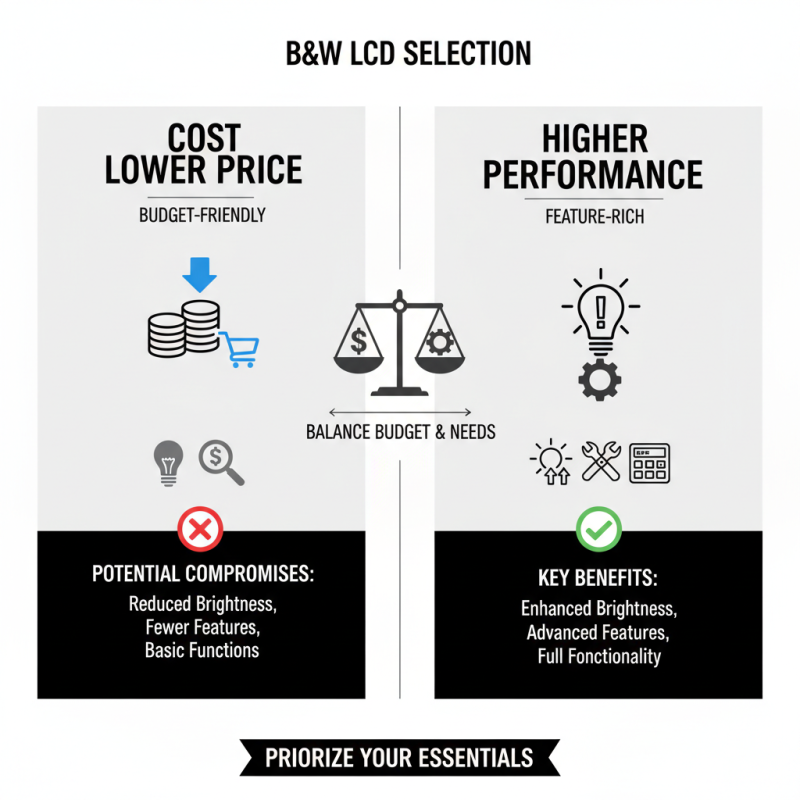
When choosing a black and white LCD display, cost and performance are vital factors. You want to balance your budget with the features you need. A lower-priced display may cut some essential functions. It’s important to evaluate what you can compromise on. Are you willing to forgo brightness for a lower price? Be honest about your priorities.
Consider your specific needs. If you simply need basic readability, a less expensive option could work. However, if you require sharp contrast for detailed graphics, aim for a higher-quality display. Analyze your usage patterns. Will your display be for home or professional use? This can affect your decision. Sometimes, the temptation to save money leads to regrets later. Look for reviews and user experiences to understand long-term performance.
Do not overlook the importance of warranties and support. Cheaper products might lack reliable customer service. Investing a bit more could save time and hassle down the line. Reflect on your choices carefully. Ask yourself what problems you may encounter with cheaper alternatives. Being thoughtful now will help you avoid frustration later.