Best Touch Display Panel Features for Global Buyers?
The global demand for Touch Display Panels is experiencing significant growth. According to a report by ResearchAndMarkets, the market is projected to reach $26 billion by 2027. This increase is driven by the expanding use of touch technology in various sectors. Industries like automotive, healthcare, and consumer electronics are investing heavily in touch solutions.
Dr. Amelia Thorne, a leading expert in touch technologies, states, "The future of interaction lies in intuitive touch experiences." This insight underscores the necessity for buyers to understand the core features of Touch Display Panels. Key features include response time, durability, and multi-touch capabilities. Buyers should prioritize these aspects to ensure optimal user experience.
However, challenges exist in choosing the right panel. Inconsistent quality across manufacturers can lead to subpar performance. Research indicates that consumer satisfaction hinges not just on technology but also on reliability. As the market evolves, buyers must remain vigilant. Identifying reputable suppliers and evaluating performance data are crucial steps in this journey.
Key Features of Touch Display Panels in Global Markets
The touch display panel market has seen significant growth. Buyers around the globe seek a few key features. These features play a crucial role in user experience and functionality.
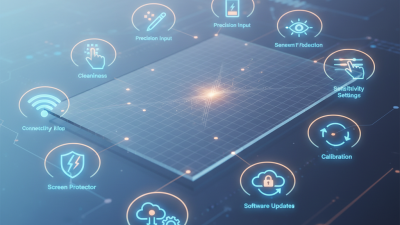
Firstly, responsiveness is vital. A touch panel should register touch within milliseconds. Users demand smooth interactions. Calibration also matters. A poorly calibrated screen can frustrate users. Next, durability is essential. Panels undergo frequent touches. They should resist scratches and damage. Users expect longevity in their devices.
Another critical feature is visibility. Brightness and contrast affect usability. High-quality panels perform well in various lighting conditions. Additionally, multi-touch support enhances functionality. Users enjoy performing gestures like pinch-to-zoom. However, not all panels deliver this feature effectively. Some lack the sensitivity required for complex gestures.
Lastly, energy efficiency is increasingly important. Panels consume power continuously. A low energy consumption rating is attractive to buyers. It can lead to cost savings over time. Overall, understanding these key features helps buyers make informed decisions. As technology evolves, so do user expectations. Buyers must reflect on their specific needs.
Market Trends: Growth Projections for Touch Display Technologies
The touch display market is experiencing significant growth, driven by advancements in technology. According to a recent report by Market Research Future, the global touch display market is projected to reach $117 billion by 2025, growing at a CAGR of 8.2%. This surge is propelled by the increasing adoption of touch interfaces across sectors like retail, healthcare, and automotive.
Innovation plays a crucial role in this growth. Touch displays now feature improved sensitivity and accuracy. Emerging technologies, like OLED and flexible displays, are enhancing user experience. Reports indicate that 68% of consumers prefer touch screens for their interactivity and responsiveness. However, some challenges persist. The high costs of advanced materials and the complexity of integration can deter smaller industries from adopting these technologies.
Despite these hurdles, the demand for touch displays continues to rise. Industries must remain agile to adapt to changing consumer preferences and technological advancements. Research shows that incorporating biometric features could significantly improve security in touch display devices, making them more appealing to buyers. Identifying trends is essential for manufacturers looking to stay relevant in this dynamic market.
Growth Projections for Touch Display Technologies (2023-2027)
Essential Technologies Behind Touch Display Functionality
Touch display technology has transformed how users interact with devices. The essential functions of these panels rely heavily on a blend of advanced technologies. Capacitive and resistive touch sensors are two primary types shaping the market today. Capacitive sensors, found in most smartphones, offer better sensitivity and durability. According to a report by MarketsandMarkets, the capacitive segment is projected to grow at a CAGR of 15.6% through 2026.
The innovation in touch display functionality also extends to multi-touch capabilities. This technology allows users to engage with the display using multiple fingers, enhancing the user experience significantly. Research shows that 75% of consumers prefer multi-touch interfaces for navigation. However, not all users find this intuitive. Some struggle with gestures, which can lead to frustration. This brings forth the need for better user education and interface design improvements.
Another notable aspect is the integration of haptic feedback. This technology provides users with physical responses when interacting with the display. Some reports indicate that haptic feedback can improve user satisfaction by 30%. Yet, this technology is not universally adopted, leading to inconsistent experiences across devices. In a rapidly evolving market, balancing innovation with user comfort remains a challenge for manufacturers.
User Experience: How Touch Accuracy Affects Consumer Preference
In today's technology-driven world, touch accuracy is crucial in enhancing user experience. Consumers expect seamless interaction with their devices. A high level of touch accuracy means fewer mistakes and smoother navigation. When touchscreens respond instantly, users feel more in control and satisfied with their experience.
Concerning design features, it is essential to consider the panel's sensitivity. A panel should detect even the lightest touch. This improves accessibility for all users, including those with disabilities. Ensuring that the touch sensitivity is adjustable can personalize the experience further. Many users prefer a customizable level of responsiveness. Sometimes, too much sensitivity can lead to accidental selections.
Tips: Test the touch display before purchasing. Look for reviews that highlight user experiences. A demonstration can reveal flaws in touch accuracy. Pay close attention to how the panel responds to multiple touch points at once. This is crucial for applications requiring multi-touch capabilities. Also, assessing the screen's performance in different lighting conditions can provide valuable insights.
Comparative Analysis: Capacitive vs. Resistive Touch Display Panels
Capacitive and resistive touch display panels serve distinct purposes, catering to different user needs. Capacitive panels utilize the electrical properties of the human body. They are highly sensitive and allow for multi-touch functionality. Users can interact with the display using gestures. This makes them popular in smartphones and tablets. Their responsiveness is superior, providing a smooth user experience.
On the other hand, resistive panels respond to pressure. They require physical force to register a touch, which can be a drawback in certain applications. However, they work well with styluses or gloves. This can be a significant advantage in industrial settings or outdoor usage. Some users may find the responsiveness lower with resistive displays.
While capacitive panels are known for their vibrant colors and clarity, resistive panels excel in durability. Each type of display has its strengths and weaknesses. At times, users might struggle to choose between them. It's crucial for buyers to assess their specific needs before making a decision. Balancing performance with the intended use can lead to better outcomes.
Best Touch Display Panel Features for Global Buyers
| Feature |
Capacitive Touch Panel |
Resistive Touch Panel |
| Touch Sensitivity |
High sensitivity, supports multi-touch |
Lower sensitivity, typically single touch |
| Durability |
More durable against scratches, often with glass surface |
Less durable, more susceptible to wear and tear |
| Cost |
Generally more expensive |
Less expensive, more budget-friendly |
| Environmental Resistance |
Better resistance to environmental factors like humidity |
Less effective in extremely humid conditions |
| Clarity and Brightness |
Higher clarity and brightness levels |
Generally lower clarity due to layers in design |