Best 10 Display Touch Devices to Enhance Your Digital Experience?
In today’s digital age, having an efficient interface is crucial. Display touch technology has revolutionized how we interact with devices. It merges functionality with sleek designs, offering a seamless user experience.
The right display touch device can dramatically enhance productivity. From tablets to interactive monitors, these tools invite creativity. Each offers unique features, geared towards different needs. For example, artists benefit from high-precision screens, while business professionals value portability. However, not every device is perfect for every user. Understanding individual requirements is key to making a wise selection.
As we explore the best display touch devices, it’s important to consider reliability. Expert reviews and user feedback help uncover hidden issues. The balance between innovation and practicality remains a point of reflection. Selecting the ideal device is not merely about features; it's about finding what aligns with your lifestyle. Explore your options carefully, and trust the process.
Introduction to Touch Display Technology and Its Importance in Modern Devices
Touch display technology is revolutionizing user interaction across various digital devices. The importance of these displays cannot be overstated. Reports indicate that the global touch display market is expected to reach $85 billion by 2025, growing at a CAGR of 10.6%. Such growth reflects the increasing demand for intuitive and engaging user experiences. Touch displays allow seamless navigation and multitasking, a necessity in today’s fast-paced world.
These devices offer versatility across multiple sectors. In education, for instance, interactive touch screens enhance learning by facilitating collaborative activities. In retail, they improve customer engagement through interactive kiosks. Nielsen's research shows that nearly 70% of consumers prefer to interact with touch interfaces. This statistic highlights the effectiveness of touch technology in capturing user attention. However, these devices are not without challenges. Issues like screen durability and glare remain critical considerations. Users often find responsive feedback lacking on some designs, impacting their overall experience.
As touch display technology continues to evolve, it shapes how we interact with our digital surroundings. Understanding user needs and addressing limitations is essential. This industry demands constant innovation and adaptation to remain relevant as preferences shift.
Key Features to Look for in High-Quality Touch Display Devices: A Comprehensive Guide
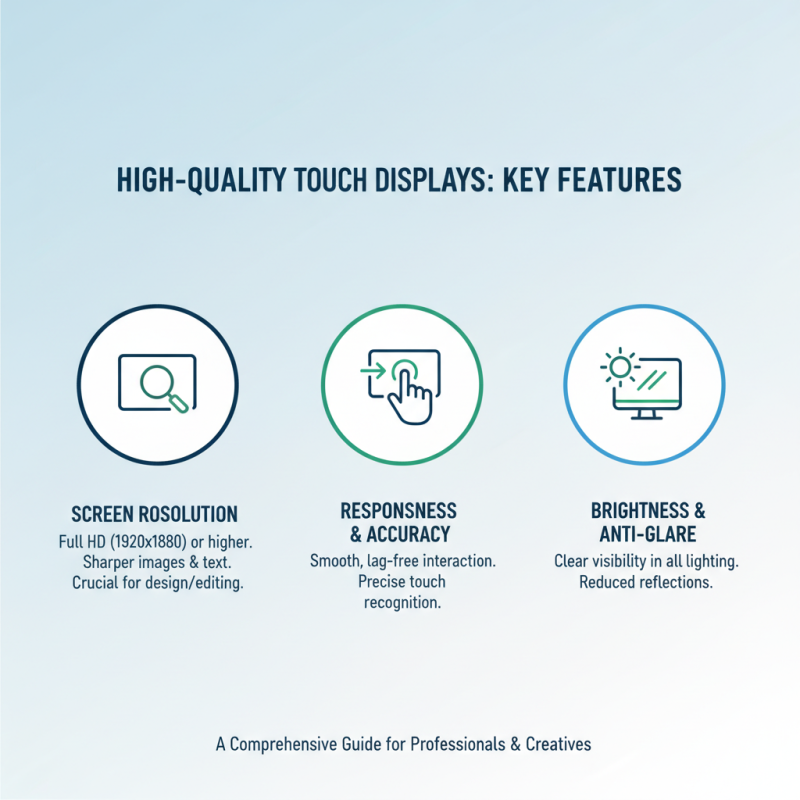
When selecting a touch display device, several key features demand attention. Screen resolution plays a crucial role. A higher resolution ensures sharper images and smoother text. Look for devices with at least Full HD. This clarity enhances tasks like graphic design or video editing, where precision matters.
Another essential factor is the touch sensitivity. Devices that register even the lightest touch provide a more responsive experience. This can make navigating apps enjoyable and seamless. Additionally, consider the screen size. A larger display can improve multitasking, allowing users to work on multiple documents simultaneously.
Durability is also important. Touch screens often endure more wear and tear than traditional displays. Review user feedback on build quality. Some devices may not withstand drops or scratches well. A strong construction can safeguard your investment. Meanwhile, evaluate battery life. Some users find themselves charging devices frequently, which can disrupt workflow. Long-lasting battery improves convenience, especially for those on the go.
Top 10 Touch Display Devices: Reviews and Specifications
In recent years, touch display devices have transformed how we interact with technology. Reports indicate that the global touch screen market is expected to grow at a rate of over 12% per year, reaching $80 billion by 2025. This surge highlights the increasing demand for intuitive interfaces across various applications, from smartphones to interactive kiosks.
When evaluating top touch display devices, specifications matter significantly. Many models now feature high-resolution displays, often exceeding 4K. These screens provide clearer images and improved color accuracy. Additionally, responsiveness has also improved. Modern touch screens can detect multiple inputs, making them suitable for collaborative tasks. Yet, not all devices perform equally under varying lighting conditions. Users should consider how glare and brightness impact usability in different settings.
While many devices offer advanced features, reliability remains an ongoing concern. Reports suggest that up to 23% of users experience issues with screen sensitivity. Regular updates and support can mitigate this, but not all manufacturers prioritize these aspects. Making informed decisions based on reliable reviews is crucial. Ultimately, users must weigh the pros and cons carefully before investing in these devices.
Market Trends: The Growth of Touch Display Technology and User Adoption Rates
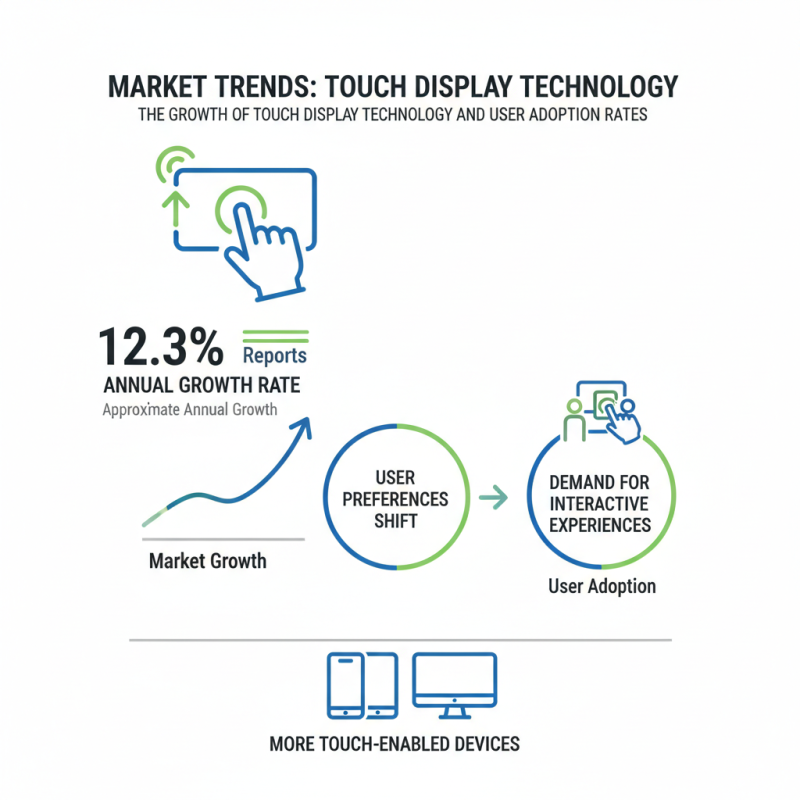
The touch display technology market is thriving. Recent reports show an annual growth rate of approximately 12.3%. This growth reflects a shift in user preferences. As more consumers seek interactive experiences, the demand for touch-enabled devices continues to rise.
User adoption rates are increasingly impressive. By 2025, over 70% of consumers may utilize touch displays in various gadgets. With advances in technology, these devices become more intuitive. Yet, there are challenges. Not all touch displays offer the same responsiveness or durability. Users often face inconsistency in their experiences.
Market analysis indicates that industries, from education to retail, are embracing this tech. Interactive kiosks and smart boards are in demand. Users expect seamless interactions. However, questions remain on long-term usability. Will advancements continue to keep pace with consumer needs?
Future Innovations in Touch Display Technology: Predictions and Industry Insights
The future of touch display technology promises exciting advancements. As we embrace touch interfaces, new innovations will redefine user interaction. Flexible screens are on the horizon. Imagine devices that can bend and fold, adapting to your needs. This will not only enhance portability but also offer unique applications in both personal and professional environments.
Furthermore, the integration of haptic feedback is becoming key. Users crave a tactile response while interacting with digital content. This technology bridges the gap between the physical and the digital, enhancing the overall experience. However, challenges remain. Achieving seamless integration of these features without sacrificing battery life is crucial. Industry experts suggest that developing energy-efficient solutions will be a priority in the next few years.
Moreover, accessibility will play a major role in future developments. Ensuring that touch interfaces serve diverse populations is essential. Designers must consider users with disabilities. The journey toward inclusive design is still evolving. Continuous feedback and real-world testing will guide these innovations. Ultimately, the goal is to create a user-friendly experience for everyone.
Best 10 Display Touch Devices to Enhance Your Digital Experience
| Device Type |
Screen Size |
Resolution |
Touch Technology |
Battery Life |
Price Range |
| Tablet |
10.2 inches |
2160 x 1620 |
Capacitive |
10 hours |
$300 - $600 |
| Laptop |
15.6 inches |
1920 x 1080 |
Capacitive |
12 hours |
$800 - $1500 |
| Smartphone |
6.5 inches |
2400 x 1080 |
Capacitive |
15 hours |
$700 - $1200 |
| Smart Display |
10 inches |
1280 x 800 |
Capacitive |
9 hours |
$100 - $250 |
| Convertible Laptop |
13.3 inches |
2560 x 1600 |
Capacitive |
10 hours |
$900 - $1800 |
| Interactive Whiteboard |
65 inches |
3840 x 2160 |
Infrared |
N/A |
$3000 - $6000 |
| Gaming Monitor |
27 inches |
2560 x 1440 |
Capacitive |
N/A |
$500 - $1000 |
| Digital Signage |
42 inches |
1920 x 1080 |
Capacitive |
N/A |
$1000 - $2500 |
| E-Reader |
7 inches |
1680 x 1264 |
Capacitive |
6 weeks |
$100 - $300 |