2026 Best Ebike Display Features Buyers Must Know?
As we look ahead to 2026, the importance of an Ebike Display cannot be overstated. These devices have transformed the cycling experience, providing riders with essential information at their fingertips. “The right display can enhance safety and usability,” says Dr. John Smith, a leading expert in the Ebike industry. His insights remind us of the blend of technology and cycling culture that modern riders expect.
Choosing the best Ebike Display involves understanding various features. Riders need to consider clarity, brightness, and functionality. With options like speed tracking, battery levels, and navigation, the right display can make all the difference. However, not all displays offer the same quality. It’s crucial to research reliability and user feedback before making a purchase.
Many Ebike enthusiasts overlook the subtle variations in display technology. Some displays excel in bright sunlight, while others falter. The diversity in designs and interface options can be overwhelming. This variety invites us to reflect on personal preferences and riding styles. Ultimately, the goal is to find a display that aligns with one’s needs and enhances the riding experience.
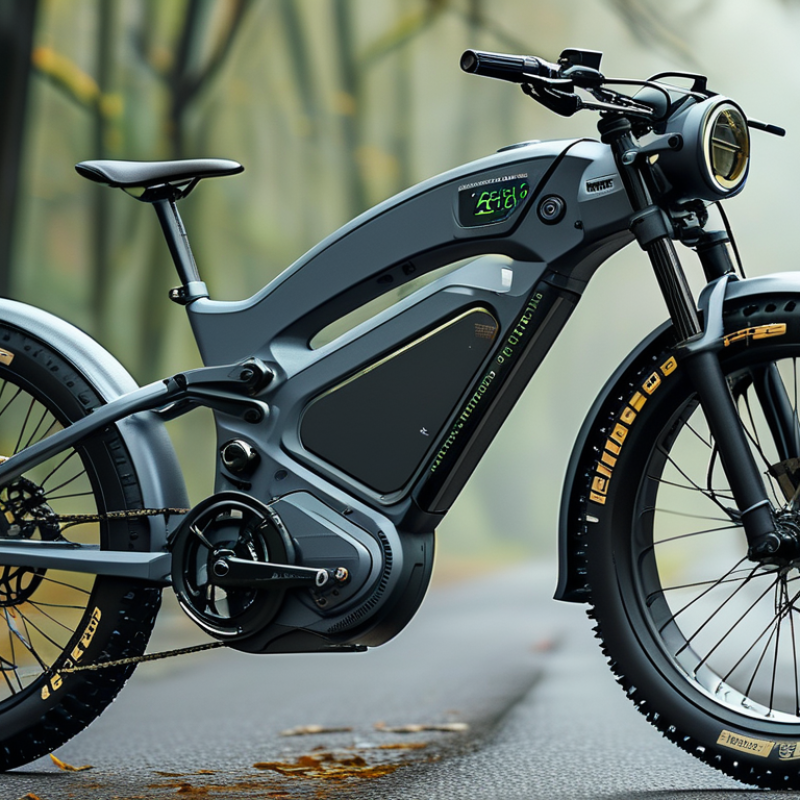
Key Display Types in Modern Ebikes: An Overview
When it comes to electric bikes, the display is a vital element. Modern e-bike displays come in various types, each with unique features. A popular type is the LCD display. It shows key data, such as speed, battery level, and distance. Users appreciate this clear information during rides. However, some may find the brightness difficult to read in direct sunlight.
Another display type is the LED system. It is simplified but offers vital metrics. These displays often use icons to convey information quickly. They are less prone to damage but may lack detailed insights. Riders seeking a minimalist experience often prefer this option. Still, the lack of depth can leave users wanting more information.
Smartphone integration is an emerging trend. This feature allows riders to connect their phones to the bike. Apps provide a range of statistics and navigation options. However, not all e-bikes support this feature, and user experience can vary. Riders might find themselves frustrated when the connection fails or the app crashes. Choosing the right display means considering personal needs and preferences. Each type carries its pros and cons, making research essential for informed decisions.
Essential Features to Look for in Ebike Displays
When selecting an ebike display, users should prioritize usability and clarity. A high-quality display should be easy to read in various lighting conditions. Look for an adjustable brightness feature, which allows the screen to be visible in bright sunlight or at night. Consider size as well; a larger screen can present information in a more organized manner. Intuitive icons and navigation help riders focus on the road.
Battery status is crucial. A reliable display will show battery life percentage, enabling you to plan your rides effectively. Some displays can provide detailed readouts on remaining range, which is a valuable insight. Additionally, speed tracking should be accurate. This feature helps users manage their travel pace and improve performance.
Another key aspect is connectivity. Many modern displays have Bluetooth capabilities. This allows riders to sync their smartphones for navigation or music. However, not all apps are reliable. Take time to research which ones work best with your display. Many functions may seem useful but could become distractions during rides. Aim for simplicity alongside functionality for a better riding experience.
Understanding Display Readouts: What Information Matters
When it comes to e-bike displays, understanding the readouts is crucial. Riders often prioritize speed, battery level, and distance. These primary features give essential insights into your ride. For instance, knowing your remaining battery can prevent being stranded. Similarly, tracking your speed helps in maintaining a safe pace.
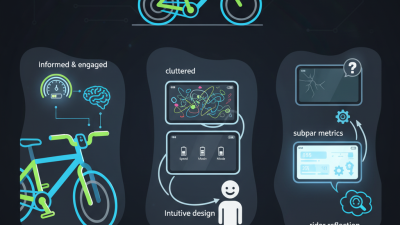
Some displays offer additional data, such as average speed and trip duration. These metrics enable riders to analyze performance. However, not all features are user-friendly. Some displays are cluttered, leading to confusion. An ideal display should be simple, with clear information.
Consider the weather conditions, too. Glare can obscure the screen, and bright sunlight may hinder visibility. A dependable display should be readable in various environments. Think about your riding habits and prioritize what matters most. Choose a display that fits your lifestyle without unnecessary complexities.
The Importance of Screen Brightness and Visibility in Ebike Displays
When choosing an e-bike, display features significantly impact user experience. Screen brightness and visibility are crucial in various conditions. According to a report by the Global E-Bike Market, up to 70% of e-bike users ride in bright sunlight. Many standard displays struggle under such conditions. Poor visibility can lead to safety risks, as riders may miss critical information.
Experience shows that well-designed displays enhance usability. For example, models with a brightness of 1000 nits or more perform better outdoors. They provide clear information, ensuring riders can monitor speed, battery life, and navigation without distractions. Some tests revealed that displays with adjustable brightness are favored by 65% of users for their flexibility.
However, not all displays meet high standards. Many riders report frustration with glare or reflections on screens. Some manufacturers prioritize aesthetics over functionality. Riders need reliable information to navigate safely. Hence, making informed choices based on real-world experiences can help avoid disappointments.
2026 Best Ebike Display Features Buyers Must Know? - The Importance of Screen Brightness and Visibility in Ebike Displays
| Feature |
Description |
Importance |
Recommended Brightness (nits) |
Visibility in Sunlight |
| Screen Brightness |
The amount of light emitted by the display, measured in nits. |
Affects readability in bright environments. |
800-1200 |
Essential for clear viewing outdoors. |
| Color Contrast |
The difference in color between text and background. |
Improves text readability and user experience. |
High Contrast Recommendations |
Boosts visibility in various lighting. |
| Display Size |
The physical dimensions of the display unit. |
Larger screens are easier to read and interact with. |
5-7 inches recommended |
Associated with better usability. |
| Touch Sensitivity |
The responsiveness of the touchscreen interface. |
Essential for smooth navigation and control. |
Optimal sensitivity settings |
Important for quick reactions on the go. |
| Viewing Angle |
The maximum angle from which the display can be viewed effectively. |
Wider angles improve group visibility. |
>160 degrees preferred |
Crucial for shared viewing experiences. |
Connectivity Options in Ebike Displays: Bluetooth and Beyond
When choosing an e-bike display, connectivity features are essential.
Bluetooth is a popular option, allowing seamless communication between the display and your smartphone.
This connectivity enables real-time data sharing, including speed,
distance, and battery status.
Many e-bike displays support apps that offer specific functionalities.
However, not all bikes support advanced features like GPS tracking
and route planning.
Beyond Bluetooth, there are other connectivity options worth considering.
Wi-Fi can provide quicker data transfer for firmware updates.
Some displays offer ANT+ connectivity, enabling integration with heart rate monitors
and fitness trackers.
This is crucial for fitness-conscious users who want to track their performance closely.
Yet, relying solely on technology can sometimes lead to inconsistencies.
Occasionally, connectivity issues might arise, causing frustration.
Moreover, understanding the limitations of these technologies is vital.
While connectivity enhances the riding experience, it can also overwhelm a user.
Features that are complicated may deter riders from utilizing them fully.
Additionally, consider battery life, as continuous Bluetooth or Wi-Fi usage can drain power quickly.
Balancing technology and simplicity is a challenge that users often face in the quest for the best e-bike experience.