2026 Best Automotive LCD Display Features and Trends?
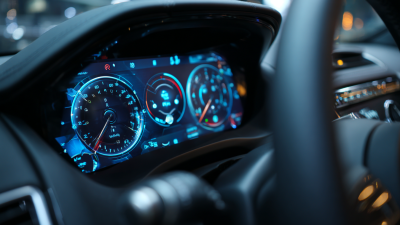
In recent years, the automotive industry has witnessed a significant shift towards advanced Automotive LCD Displays. These displays are not just about aesthetics; they enhance user experience and vehicle safety. According to Dr. Emily Chen, a leading expert in automotive display technologies, "The future of driving interfaces lies in intuitive Automotive LCD Displays." Her insights highlight the growing importance of seamless interaction between drivers and their vehicles.
Automotive LCD Displays are becoming more versatile and sophisticated. They now integrate navigation, entertainment, and vital vehicle information. This evolution brings benefits but also challenges. With rising consumer expectations, manufacturers must invest in cutting-edge technology. Yet, the competition is fierce. Many companies struggle to keep pace with innovation while ensuring reliability.
There are concerns to address as well. The implementation of these features introduces complexities. Issues like screen size and resolution need careful consideration. Display placement must also ensure minimal distractions. As the industry moves forward, it’s essential to reflect on these challenges while embracing the future of Automotive LCD Displays. Continuous improvement and user feedback will guide the path ahead.
Overview of Automotive LCD Displays in 2026
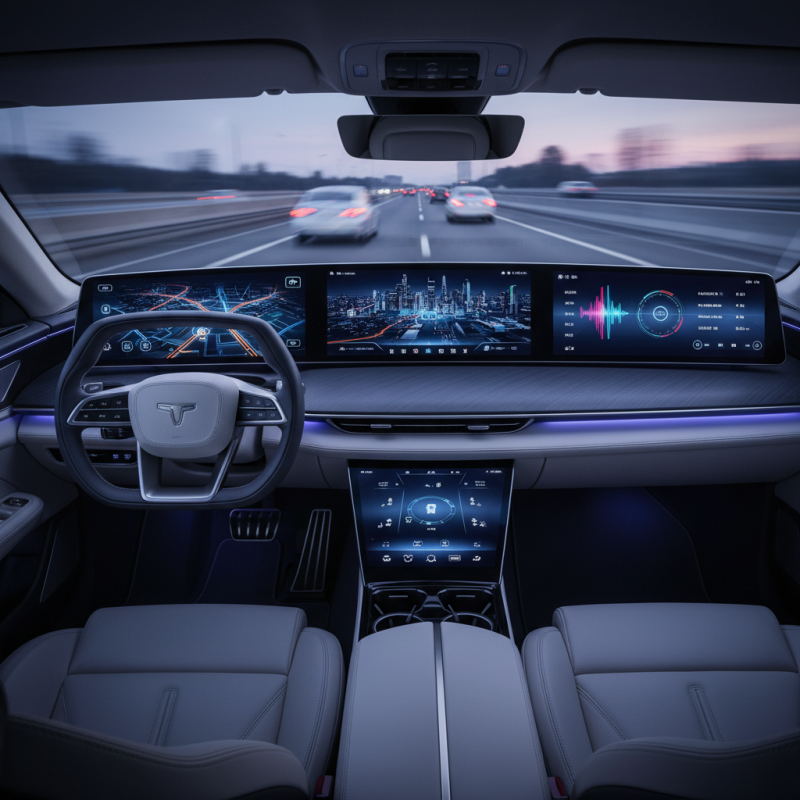
In 2026, automotive LCD displays are becoming more prominent in vehicles. They offer enhanced clarity and responsiveness. According to a recent industry report, the global automotive display market is projected to reach $32 billion by 2026. This growth reflects the increasing demand for high-quality visual interfaces in vehicles.
One of the key features is the integration of augmented reality (AR). AR overlays digital information onto the real world. For example, navigation prompts appear directly on the windshield. This technology can improve safety and navigation efficiency. However, challenges remain. Not all drivers adapt well to such interfaces. Some still prefer traditional displays.
Additionally, the shift towards electric vehicles (EVs) influences display design. EVs require different information types, such as battery status. This leads to more specialized display systems. The potential for distraction is a concern. While advanced displays enhance the driving experience, they may also overwhelm some users. The balance between innovation and user-friendliness is crucial. Manufacturers must consider usability alongside cutting-edge features.
2026 Automotive LCD Display Features and Trends
Key Features of Next-Generation Automotive LCD Displays
Next-generation automotive LCD displays are transforming the driving experience. They offer enhanced resolution, improved color accuracy, and broader viewing angles. Data from recent industry reports indicate that the demand for high-definition displays is skyrocketing. By 2026, the automotive LCD display market is expected to surpass $30 billion. This growth reflects an increasing need for advanced tech in vehicles.
One key feature of these displays is their integration with driver assistance systems. This integration provides essential information directly in the driver’s line of sight. Features like adaptive brightness improve visibility in various lighting conditions. However, reliance on digital interfaces raises questions about driver distraction. It’s crucial to find a balance between functionality and safety.
Another trend is the shift towards sustainable materials in display production. Many manufacturers are exploring eco-friendly options to meet growing environmental concerns. A report suggested that 20% of consumers prioritize sustainability when purchasing a vehicle. While the focus is on innovation, manufacturers must address the potential environmental impact of their technologies. Balancing innovation with sustainability remains a complex challenge for the automotive sector.
Emerging Trends in Automotive Display Technology
The automotive display technology is rapidly evolving. Drivers now expect high-quality visuals and interactive features. As we look toward 2026, several emerging trends will shape these displays. Flexible screens are gaining traction, allowing unique designs. These displays can curve or wrap around the dashboard. However, this innovation presents challenges in durability and safety.
Another trend is the advancement of augmented reality (AR). AR overlays essential information on the windshield. It enhances navigation and reduces distractions. Yet, integrating AR systems smoothly remains complex. Balancing information overload with user experience is a concern.
Touchless technology is also making waves. Gesture controls allow drivers to interact with displays without physical contact. It has the potential to minimize distractions. Still, ensuring accuracy in gesture recognition is crucial. As manufacturers innovate, they must address these imperfections and prioritize user safety. The future of automotive displays holds promise, despite the hurdles ahead.
2026 Best Automotive LCD Display Features and Trends
| Feature |
Description |
Trend Impact |
Future Outlook |
| High Resolution |
Enhanced pixel density for clearer images. |
Improves driver interaction and experience. |
Expected to dominate display markets. |
| Curved Displays |
Offers a more immersive viewing experience. |
Increases driver engagement with interface. |
Gaining popularity in luxury vehicles. |
| Touchless Technology |
Gesture controls for safer driving adjustments. |
Enhances safety by minimizing physical interaction. |
Expected to expand rapidly in next-gen models. |
| Augmented Reality (AR) |
Overlays navigational information on the road. |
Improves navigation and reduces distraction. |
Likely to be a standard feature in future models. |
| Flexible Displays |
Allows for innovative designs and configurations. |
Facilitates unique interior aesthetics. |
Expected to be integrated into various designs. |
Impact of User Experience on LCD Display Design
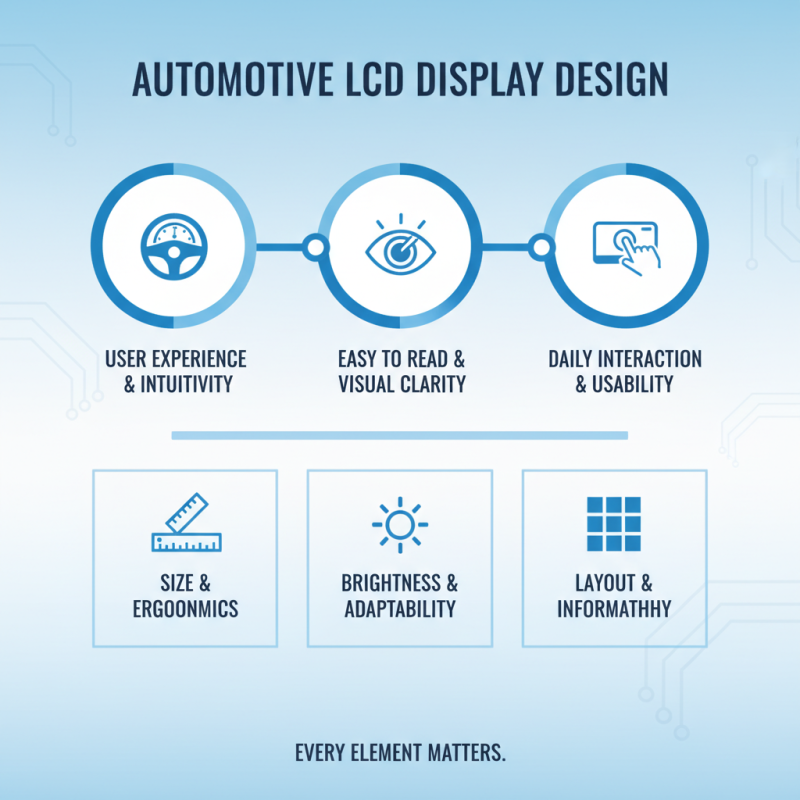
The design of automotive LCD displays is heavily influenced by user experience. These screens need to be intuitive and easy to read. Drivers and passengers interact with displays daily. Therefore, every element matters—the size, brightness, and layout impact usability.
User feedback plays a crucial role. Designers often rely on surveys and focus groups. Yet, not all feedback can be implemented effectively. Sometimes, what's user-friendly for one group may confuse another. A balance must be struck between aesthetics and functionality. Visibility is critical; drivers should see essential information at a glance.
Emerging trends focus on personalization. More displays can adapt to individual preferences. However, these features can become overwhelming. The risk is creating a cluttered interface, leading to frustration. As technology evolves, the challenge lies in simplifying complex features while enhancing the user experience. Continuous reflection on these issues is vital for innovation.
Sustainability and Energy Efficiency in Automotive Displays
Sustainability is becoming a priority in automotive design. Manufacturers are increasingly focusing on making displays more energy-efficient. This shift reduces waste and conserves resources. The use of recycled materials in screen production is one example of progress. However, not all manufacturers adopt this approach, which raises questions about industry standards.
Energy efficiency also extends to the display's operation. Modern technology aims to consume less power. OLED and LCD technologies often compete in this area. Some displays can adjust their brightness based on ambient light, which saves energy. Yet, this feature is not perfect. It can cause inconsistencies in viewing experiences during bright daylight.
With rising demand for eco-friendly vehicles, advancements continue. From solar-powered screens to biodegradable materials, innovation is key. However, the challenge remains: balancing cutting-edge technology with sustainable practices. Some designs still rely on harmful materials. Striking a balance will require ongoing effort and collaboration across the industry.